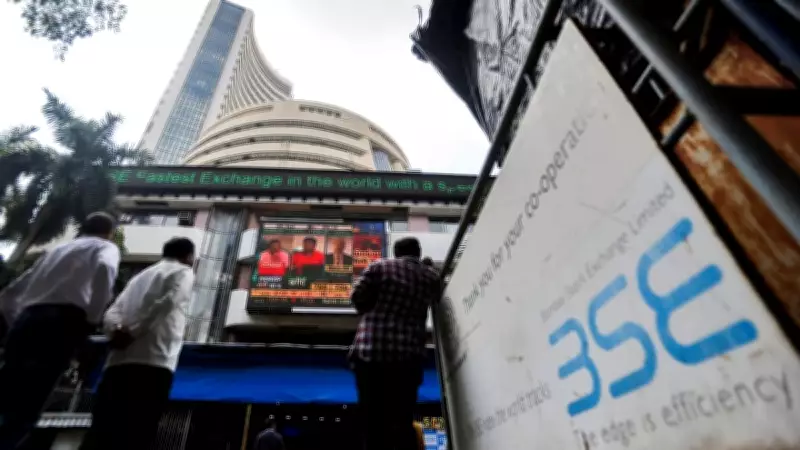
Indian Stock Markets Experience Robust Rally Amid Improved Global Sentiment
In a significant upturn, Indian stock markets witnessed a powerful rally, with the benchmark Sensex soaring by an impressive 500 points. This surge is primarily attributed to a notable easing of geopolitical tensions on the global stage, which has reinvigorated investor confidence and risk appetite across financial markets.
Key Drivers Behind the Market Optimism
Market analysts point to two major developments that have contributed to this positive momentum. Firstly, renewed hopes for a diplomatic resolution between the United States and Iran have emerged, signaling a potential de-escalation in long-standing conflicts. Secondly, a 10-day ceasefire agreement between Israel and Lebanon has provided a temporary but crucial respite from hostilities, further calming international nerves.
These geopolitical shifts have materially improved the global risk environment, encouraging investors to move away from safe-haven assets and back into equities. The resultant inflow of capital has propelled the Sensex to new heights, reflecting broader optimism in economic stability and growth prospects.

Impact on Market Indicators and Broader Economy
The rally was not isolated to the Sensex alone; other key indices such as the Nifty also showed substantial gains, underscoring a widespread bullish sentiment. This market upswing is expected to have positive ripple effects on various sectors, including banking, technology, and manufacturing, potentially boosting corporate earnings and consumer spending.
Experts emphasize that while short-term geopolitical relief is driving this surge, underlying factors like strong domestic economic policies and robust corporate performance continue to support long-term market resilience. Investors are advised to monitor ongoing diplomatic talks and ceasefire implementations closely, as any reversals could impact future market trajectories.
Overall, this market rally highlights the interconnectedness of global events and financial markets, demonstrating how international diplomacy can directly influence economic outcomes and investor behavior in India.