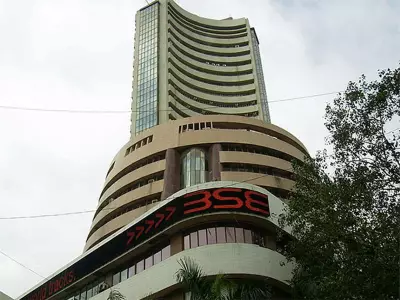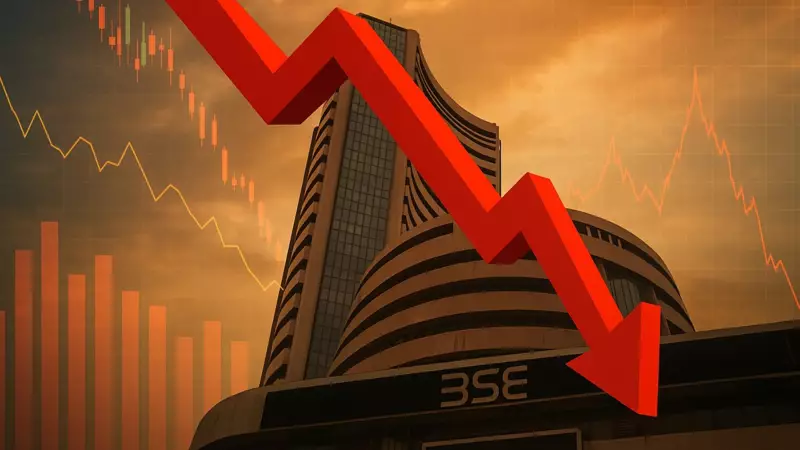
Indian equity markets experienced a brutal trading session on Tuesday as benchmark indices extended their losing streak, sending shockwaves across Dalal Street. The Sensex plummeted over 500 points while the Nifty 50 crashed below the crucial 25,600 mark, leaving investors counting heavy losses.
What Triggered The Market Meltdown?
The sell-off wasn't triggered by a single factor but rather a perfect storm of negative catalysts that converged to hammer investor sentiment. Here are the 10 key highlights that explain why Indian markets turned red:
- Banking Blues: Banking stocks led the decline with heavyweight HDFC Bank dropping significantly, dragging the entire banking index down by over 1%
- Reliance Rout: Index heavyweight Reliance Industries continued its downward spiral, contributing substantially to the overall market weakness
- Global Worries: Rising concerns about slowing global economic growth and potential recession fears in major economies spooked foreign investors
- FII Exodus: Foreign Institutional Investors have been relentless sellers in Indian markets, pulling out billions of dollars amid global risk-off sentiment
- Valuation Concerns: After the recent rally, market experts flagged expensive valuations, making Indian stocks vulnerable to corrections
- Technical Breakdown: The Nifty breaking below key support levels triggered automated selling and stop-losses, accelerating the decline
- Sectoral Weakness: Broad-based selling was seen across sectors with banking, financial services, and energy stocks bearing the maximum brunt
- Rupee Volatility: The Indian rupee's fluctuation against the US dollar added to the uncertainty, affecting foreign investor calculations
- Geopolitical Tensions: Ongoing global conflicts and trade tensions continued to weigh on market sentiment worldwide
- Profit Booking: Investors opted to book profits at higher levels amid concerns about near-term market direction
Market Performance Snapshot
The BSE Sensex closed at 84,000 levels, down more than 500 points from the previous close, while the Nifty 50 settled below the psychologically important 25,600 mark. The broader markets also felt the heat with the BSE Midcap and Smallcap indices declining in tandem with frontline indices.

What's Next For Investors?
Market analysts suggest that the correction could present buying opportunities for long-term investors, but caution that volatility might persist in the near term. The focus now shifts to corporate earnings, global cues, and domestic economic data for further direction.
Expert View: "This correction was long overdue given the stretched valuations. While it might be painful in the short term, it creates healthy entry points for investors with a long-term horizon," said a senior market analyst.
Investors are advised to stick to quality stocks, maintain adequate diversification, and avoid panic selling during such market corrections.