

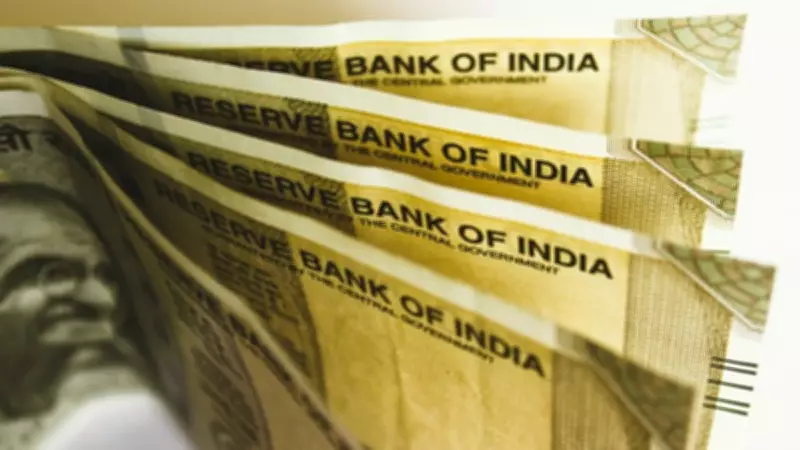
Rupee Plummets to Historic Low Against US Dollar
The Indian rupee has tumbled to an unprecedented low, breaching the 92 mark against the US dollar for the first time in history. On Tuesday, the domestic currency weakened sharply, closing at a record 92.18 per dollar, as mounting anxieties over a potential widening of global conflicts rattled financial markets.
Geopolitical Tensions Fuel Currency Decline
Market analysts attribute this significant depreciation to escalating geopolitical risks and fears of a broader war, which have heightened demand for safe-haven assets like the US dollar. The uncertainty surrounding international conflicts has prompted investors to shift funds away from emerging market currencies, including the rupee, leading to intense selling pressure.
The rupee's decline reflects broader concerns about global stability and its impact on India's economy. A weaker rupee can increase the cost of imports, potentially fueling inflation and affecting trade balances. This development comes amid already volatile market conditions, with investors closely monitoring geopolitical developments for further cues.

Market Reactions and Economic Implications
Financial experts note that the rupee's slump to 92.18 marks a critical juncture, signaling heightened risk aversion in global markets. The Reserve Bank of India may intervene to stabilize the currency, but external factors like war worries are likely to dominate near-term trends.
The record low underscores the vulnerability of emerging market currencies to geopolitical shocks. As tensions persist, the rupee could face additional volatility, impacting sectors reliant on foreign exchange, such as oil imports and overseas debt servicing.
In summary, the rupee's historic fall to 92.18 against the dollar highlights the profound influence of geopolitical uncertainties on currency markets, with implications for India's economic outlook in the coming months.






