

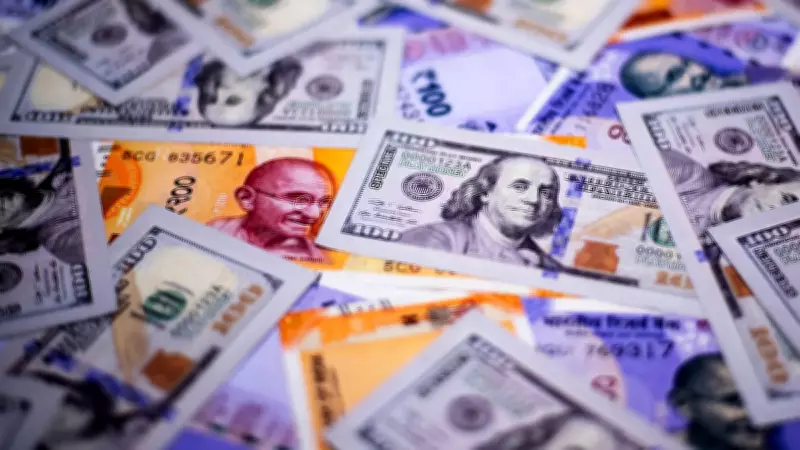
Indian Rupee Weakens Against US Dollar in Early Trading Session
The Indian rupee experienced a notable decline in value during the early hours of trading on Wednesday, dropping by 17 paise to settle at 83.07 against the US dollar. This movement reflects ongoing pressures in the foreign exchange market, driven by a combination of domestic and international factors.
Key Factors Behind the Rupee's Depreciation
Forex traders and analysts have pointed to several critical elements contributing to the rupee's fall. Foreign fund outflows from Indian markets have been a significant drag, as global investors adjust their portfolios amid shifting economic conditions. Additionally, the strengthening of the US dollar in international markets has exerted downward pressure on emerging market currencies, including the rupee.
At the interbank foreign exchange market, the rupee opened at 83.05 against the US dollar, then lost further ground to touch 83.07, marking a decline of 17 paise from its previous close of 82.90. This early trade activity underscores the volatility and sensitivity of the currency to external cues.

Broader Market Context and Implications
The depreciation comes against a backdrop of mixed signals in global financial markets. While the US dollar has been gaining strength due to expectations around Federal Reserve policies, other major currencies have also faced headwinds. For India, a weaker rupee can have dual implications: it may boost export competitiveness but also increase the cost of imports, potentially affecting inflation and trade balances.
Market participants are closely monitoring developments, including central bank interventions and global economic data releases, which could influence the rupee's trajectory in the coming sessions. The Reserve Bank of India (RBI) has previously stepped in to stabilize the currency during periods of excessive volatility, and similar actions might be anticipated if the decline persists.
Outlook and Expert Analysis
Financial experts suggest that the rupee's performance will hinge on several variables in the near term. Key factors to watch include:
- Foreign Institutional Investment (FII) flows into Indian equities and debt markets.
- Global crude oil prices, as India is a major importer, and higher costs can widen the trade deficit.
- US economic indicators, such as inflation data and interest rate decisions, which impact dollar strength.
- Domestic economic growth metrics and policy announcements from the Indian government and RBI.
In summary, the rupee's fall to 83.07 against the US dollar in early trade highlights the interconnected nature of global finance. While short-term fluctuations are common, sustained trends will depend on a complex interplay of economic fundamentals and market sentiment. Investors and policymakers alike are advised to stay vigilant as these dynamics unfold.






