

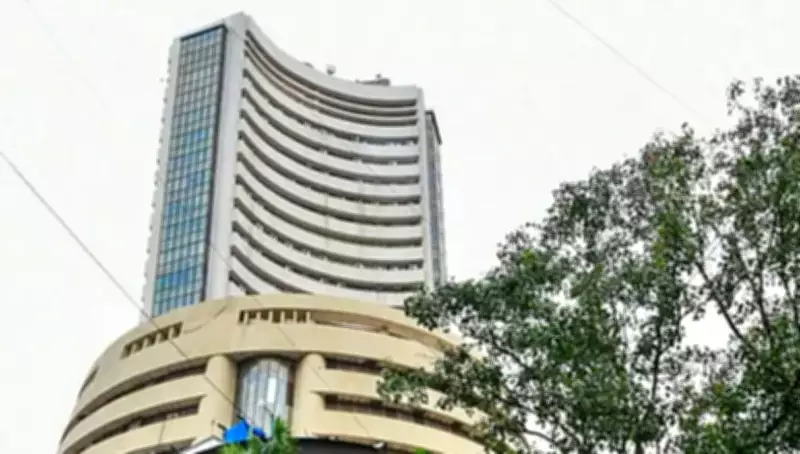
Indian Stock Markets Navigate Global Uncertainties on March 4, 2026
Indian equity markets commenced trading on Wednesday, March 4, 2026, with a note of caution, as global geopolitical tensions and mixed international cues set the tone for the day. The benchmark indices, Sensex and Nifty, opened under pressure, reflecting investor apprehension amidst a complex financial landscape.
Key Factors Influencing Market Sentiment
The trading session was significantly shaped by several critical developments. GIFT Nifty trends pointed towards a subdued opening for domestic indices, signaling potential volatility ahead. This was compounded by ongoing geopolitical tensions involving the United States, Israel, and Iran, which have heightened global risk aversion and impacted investor confidence worldwide.
In addition to these geopolitical concerns, Asian market performances provided mixed signals. Major indices such as Japan's Nikkei 225 and South Korea's Kospi showed varied movements, while Hong Kong's Hang Seng also contributed to the uncertain backdrop. These regional trends are closely monitored by Indian traders as they often influence opening sentiments and intraday trading patterns.

Detailed Analysis of Global Cues
The impact of Wall Street's previous session cannot be overstated. The Dow Jones Industrial Average and other US indices experienced fluctuations due to the escalating US-Israel-Iran situation, which in turn affected Asian markets at the opening bell. This chain reaction underscores the interconnected nature of global financial systems, where events in one region can swiftly reverberate across others.
Furthermore, commodity prices and currency movements added another layer of complexity. The volatility in oil markets, driven by Middle Eastern tensions, posed additional challenges for sectors sensitive to energy costs. Simultaneously, the Indian rupee's exchange rate against major currencies was under scrutiny, as it influences foreign institutional investment flows and corporate earnings.
Sectoral and Broader Market Implications
Market analysts observed that specific sectors were more vulnerable to the day's developments. Banking and financial stocks faced pressure due to concerns over interest rate trajectories and credit growth. Meanwhile, export-oriented industries grappled with the implications of a stronger dollar and potential trade disruptions.
On a broader scale, the mid-cap and small-cap segments exhibited heightened sensitivity to the volatile environment. Retail investors were advised to exercise caution and consider a diversified portfolio approach to mitigate risks associated with sudden market swings.
Expert Insights and Forward Outlook
Financial experts emphasized the importance of monitoring central bank policies and economic data releases in the coming days. The Reserve Bank of India's stance on monetary policy, along with inflation and GDP figures, will be crucial in determining market direction beyond immediate geopolitical events.
Looking ahead, market participants are bracing for continued volatility and uncertainty. While short-term fluctuations are expected, long-term investors are encouraged to focus on fundamentals and avoid panic-driven decisions. The resilience of the Indian economy and corporate earnings growth remain key pillars of support for equity markets.
In summary, March 4, 2026, presented a challenging trading environment for Indian stocks, shaped by a confluence of global factors. As the day progresses, all eyes will remain on international developments and their cascading effects on domestic financial markets.






