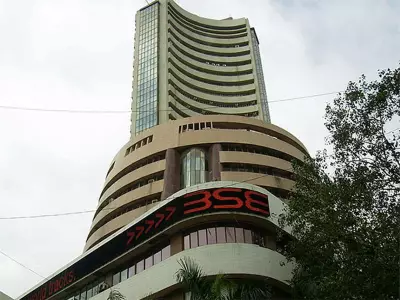
India's Initial Public Offering (IPO) market continues to demonstrate remarkable strength, establishing itself as one of the most active globally. Recent data reveals that during the first nine months of 2025, a total of 81 IPOs collectively raised approximately ₹1.21 lakh crore, marking the second-highest fundraising achievement in the past five years. This impressive performance follows an unprecedented peak of ₹2.18 lakh crore raised throughout the current year, highlighting the sustained momentum in India's capital markets.
Sustainable Growth Drivers Behind IPO Surge
In an exclusive discussion with Livemint, Arka Mookerjee, Partner at JSA Advocates and Solicitors, provided comprehensive insights into this bullish market trend. According to Mookerjee, this IPO boom represents more than just a temporary phase—it reflects India's structural growth narrative and the essential need for private capital to fuel expansion among small and medium-sized enterprises.
"Issuers with strong fundamentals will keep approaching the market to raise capital regardless of market conditions," Mookerjee stated. He emphasized that with GST rate rationalization signaling reduced government spending and India maintaining its position as the only major economy growing at 6.5-7%, private capital must play an increasingly significant role in national finances.

The transformation of India's economic landscape continues as a long tail of mid to small-sized companies requiring capital becomes accessible to investors through IPO routes. Banks can only support this growth to a limited extent, while the ongoing financialization of the economy and declining deposit rates gradually convert savings into investments.
IPO Valuations and Regulatory Framework
Addressing concerns about potential over-valuation in recent IPOs, Mookerjee offered a pragmatic perspective. "The fundamental job of the Board of the Issuers and the investment bankers advising them is to sell the equity, not offer it at rock bottom prices," he explained. He noted that recent large IPOs have provided substantial listing day gains, demonstrating that they've left adequate value for investors.
Mookerjee stressed that expecting IPO-bound companies to offer perfect valuations for everyone in a free market environment is fundamentally unrealistic. The regulatory framework aims to ensure sufficient information disclosure for informed investor decisions rather than spoon-feeding investment choices to retail participants.
SEBI's Progressive Regulatory Approach
When evaluating SEBI's performance in regulating the IPO market, Mookerjee expressed considerable appreciation. "The regulator has remained on top of recent developments and continues to deliver timely and well thought out guidance," he observed. He specifically mentioned SEBI's directive to mutual funds regarding pre-IPO investments, which some might view as strict but actually protects retail investors who entrust their life savings to these funds.
SEBI has demonstrated remarkable responsiveness to market feedback through various committees, outreach programs, and both formal and informal guidance channels. The regulator has shown agility in implementing timely amendments and reviews, with the ICDR regulations of 2018 currently undergoing comprehensive reassessment.
Mookerjee suggested expanding the scope of the Primary Market Advisory Committee (PMAC) and Hybrid committee to better align with market realities. He also proposed formal recognition of guidance provided by SEBI to the Association of Investment Bankers of India (AIBI), granting it legal authority similar to circulars issued under ICDR regulations.
Artificial Intelligence Transforming IPO Processes
The integration of Artificial Intelligence in IPO procedures represents an emerging frontier with significant potential. While AI remains a developing area for IPO markets, its applications range from innovative trading strategies to summarizing extensive offer documents. However, questions persist about AI's overall benefits given current limitations.

SEBI has already begun leveraging AI for document review, achieving impressive turnaround times despite processing over 100 Draft Red Herring Prospectuses (DRHPs) in just the last couple of September weeks. For investors, AI could eventually transform 500-page documents into digestible summaries, though current hallucination rates of approximately 35% necessitate caution.
Mookerjee emphasized that investors must thoroughly read entire offer documents rather than relying solely on AI-generated summaries, underscoring the importance of due diligence in investment decisions.
Advice for Emerging Legal Professionals
For aspiring lawyers aiming to establish themselves in this dynamic market, Mookerjee highlighted the substantial opportunities within India's expansive IPO landscape. However, he noted the intensely competitive environment leaves little room for error, demanding both legal expertise and practical experience.
"Hard work is never overrated," Mookerjee asserted, describing it as essential DNA for professional success. He advocated for a client-first approach, consistency, and a "never drop the ball" attitude as crucial differentiators. Lawyers who deliver quality, fact-based advice while remaining responsive to client needs will consistently thrive in this challenging sector.
The current IPO surge in India transcends cyclical patterns, representing a structural transformation supported by robust economic growth and widespread capital requirements across business sectors. While valuation discussions continue, the regulatory emphasis on investor protection remains paramount. SEBI's adoption of technologies like AI for document processing reflects its commitment to operational efficiency. For legal professionals, this market offers tremendous competitive potential where dedication, reliability, and client-centric approaches form the foundation for enduring success.