

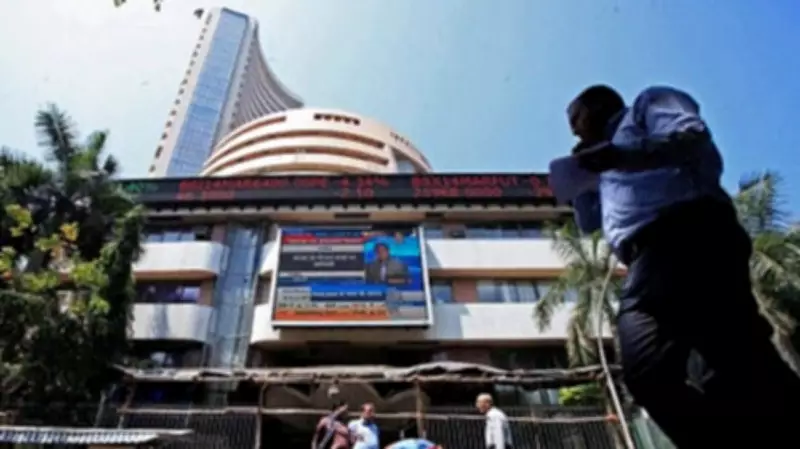
Indian Stock Indices Extend Losses, Hit by West Asia Conflict; Sensex Slips Over 1,500 Points
Indian equity markets faced a significant downturn on Monday, with the benchmark Sensex plummeting over 1,500 points as escalating tensions in West Asia and a sharp spike in crude oil prices severely dampened investor sentiment. According to a report from SBI Securities, the geopolitical unrest has triggered widespread selling pressure across the market, leading to a broad-based decline in stock indices.
Impact of West Asia Conflict on Market Sentiment
The conflict in West Asia has intensified, causing a surge in crude oil prices that directly impacts India's economy, given the country's heavy reliance on oil imports. This development has raised concerns among investors about potential inflationary pressures and economic instability, prompting a risk-off approach in trading activities. The heightened uncertainty has led to a sharp correction in stock prices, with sectors such as energy, banking, and manufacturing bearing the brunt of the sell-off.
Analysis from SBI Securities
SBI Securities highlighted that the sharp spike in crude oil prices amid the escalating tensions has been a primary driver of the market's negative performance. The firm noted that investors are increasingly cautious, shifting their focus to safer assets as geopolitical risks mount. This sentiment is reflected in the significant drop in the Sensex, which underscores the vulnerability of Indian markets to external shocks and global events.

Broader Market Implications
The downturn in Indian stock indices is part of a larger trend of volatility in global markets, with similar reactions observed in other emerging economies. The conflict in West Asia not only affects oil prices but also disrupts trade routes and supply chains, adding to the economic challenges. Market analysts warn that if the tensions persist, it could lead to prolonged market instability, impacting corporate earnings and economic growth prospects in India.
Investor Response and Future Outlook
In response to the market decline, investors are advised to monitor geopolitical developments closely and consider diversifying their portfolios to mitigate risks. While short-term volatility is expected, long-term investors may find opportunities in undervalued sectors once the situation stabilizes. The Indian government and regulatory bodies are also likely to assess the impact and implement measures to cushion the economy from such external shocks.
As of the latest update on March 4, 2026, the market remains under pressure, with ongoing monitoring of the West Asia conflict and its implications for global and domestic markets. Stakeholders are urged to stay informed and exercise caution in their investment decisions during this period of heightened uncertainty.






