India-US Trade Deal Finalized, Sparking Major Stock Market Rally
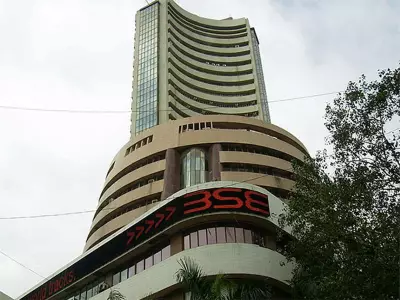
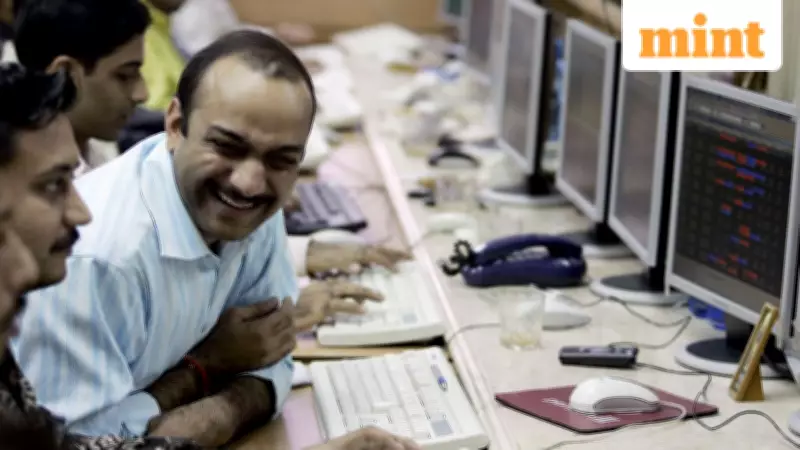
Indian stock markets erupted in celebration on Tuesday as news broke that the long-awaited India-United States trade agreement has been officially sealed. The landmark deal immediately injected optimism into financial markets, with the benchmark Nifty 50 index surging an impressive 5% at the opening bell. Simultaneously, the India VIX volatility index, often called the fear gauge, plummeted by 8%, indicating a significant reduction in market anxiety.
Market Performance and Sectoral Highlights
Both major indices recorded substantial gains, with the Nifty 50 closing at 25,790 points and the Sensex reaching 83,934 points, each up approximately 2.8%. The rally was particularly strong in specific sectors, with Nifty IT and Nifty Auto emerging as the top performers, each gaining over 5%. This sectoral outperformance reflects market expectations of direct benefits from the trade agreement.
The conclusion of this deal has reignited hopes that foreign institutional investors, who have been net sellers for most of 2025, might finally return to Indian markets. This potential reversal of capital flows represents a crucial psychological shift for market participants who have been navigating prolonged uncertainty.

Broader Economic Implications and Expert Analysis
Sujan Hajra, chief economist and executive director at Anand Rathi Group, explained that India's equity underperformance over the past year can be partially attributed to sustained FII outflows. These outflows were driven not by weak economic fundamentals, but by rising geopolitical and policy uncertainty surrounding India-US trade relations. For global investors, strained bilateral ties translated into higher risk premiums, currency concerns, and capital flight, even as domestic corporate earnings remained resilient.
With the trade deal now finalized, that significant overhang is beginning to dissipate. Hajra emphasized that the real transformation isn't merely about incremental tariff relief, but rather the restoration of geopolitical and trade stability. As risk premiums normalize, India once again appears investable to global capital—positioned as a high-growth economy with political alignment, strategic importance, deep domestic demand, and improving external linkages to both the United States and Europe.
Specific Deal Terms and Sectoral Impact
As part of the agreement, Washington will reduce its reciprocal tariff on Indian goods from 25% to 18%, while India will lower its tariffs and non-tariff barriers on US imports to zero, according to statements from US President Donald Trump. Additionally, the US will roll back the extra 25% duty imposed on Indian goods related to India's purchases of Russian crude oil.
Financial analysts have identified specific sectors likely to benefit from this development:
- Chemicals: Companies including SRF, Navin Fluorine, Gujarat Fluorochemicals, Aarti Industries, and Atul
- Textiles: Firms such as Gokaldas Exports and Welspun Living
- Auto Ancillaries: Businesses including Suprajit Engineering, Bharat Forge, and Sona Comstar
However, analysts have also cautioned that oil marketing companies and Reliance Industries could face downside risks if India reduces or halts purchases of Russian crude oil as part of the agreement's implications.
Currency and Valuation Perspectives
Elara Capital noted in a recent research report that they anticipate the US dollar-Indian rupee exchange rate reversing direction and moving toward 88.5-89 in the coming weeks as foreign portfolio investment flows change course. The brokerage firm believes that despite persistent valuation concerns compared to peers and the ongoing influence of artificial intelligence-related trading, Indian equities could potentially become the best performers in Asia in the upcoming weeks.
India's valuation premium has cooled significantly from its 2024 peak, even as other emerging markets have mounted a strong comeback. While solid economic momentum, consistent policy signals, and resilient earnings had long justified this premium, that buffer has steadily eroded over the past year.

Future Market Drivers and Considerations
Beyond the immediate boost from the trade deal, market participants are also monitoring other significant developments. Dhiraj Relli, managing director and CEO of HDFC Securities, pointed out that the selection of Kevin Warsh to lead the US Federal Reserve signals a potentially more hawkish, less liquidity-friendly policy stance. If the Fed indicates that interest rates will remain higher for longer or adopts a less dovish approach, that could strengthen the US dollar and maintain pressure on risk assets globally.
Attention is gradually expected to return to the domestic earnings season and corporate commentary. While quarterly results have been mixed so far, forward guidance and management outlook statements will become key market drivers. Additionally, sharp volatility in commodities, particularly gold and silver, has spilled over into other asset classes including equities. A stabilization in precious metal prices could help temper broader market volatility in the coming sessions.
Deepak Agrawal, chief investment officer for debt at Kotak Mutual Fund, summarized the prevailing sentiment: "This development is likely to attract foreign institutional investors who had been waiting on the sidelines." An analysis from Axis Securities added that for equity markets, the deal enhances earnings visibility, supports valuation re-rating—particularly for export-oriented and capital expenditure-linked sectors—and reinforces India's positioning as a relatively safe haven among emerging markets.