

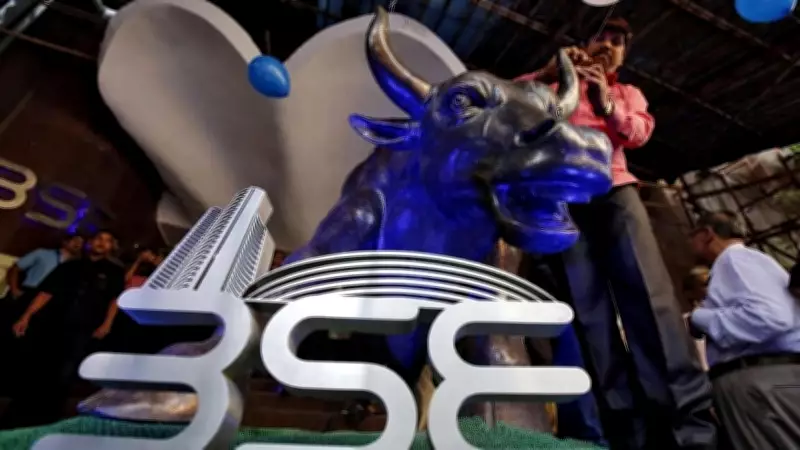
Stock Markets to Observe Holiday for Holi 2026 on March 3
The Indian stock markets will be closed on Tuesday, March 3, 2026, in observance of the Holi festival. Both the National Stock Exchange (NSE) and the Bombay Stock Exchange (BSE) will suspend all trading activities for the day, as officially announced by the exchanges.
Official Announcement and Regulatory Compliance
The decision to close the markets aligns with the list of public holidays approved by the Securities and Exchange Board of India (SEBI). Under SEBI regulations, stock exchanges are required to remain shut on designated national and public holidays to ensure market integrity and provide a break for participants.
This closure is part of the annual holiday calendar that includes festivals like Diwali, Eid, and Christmas, reflecting India's diverse cultural fabric. The exchanges have confirmed that normal trading operations will resume on Wednesday, March 4, 2026, without any disruptions.

Impact on Trading and Investor Activities
With the markets closed, all equity, derivative, and currency segments will be inactive. This includes:
- No buying or selling of stocks
- Pause in futures and options trading
- Halt in commodity and currency markets
Investors and traders are advised to plan their strategies accordingly, as any pending orders or settlements will be processed before or after the holiday. Brokers and financial institutions typically notify clients in advance to avoid confusion.
Historical Context and Future Outlook
Holi, known as the festival of colors, is celebrated across India with great enthusiasm. The stock market holiday on this day is a longstanding tradition, allowing market participants to join in the festivities. In recent years, such closures have had minimal long-term impact on market performance, with trading volumes often adjusting in the surrounding sessions.
Looking ahead, market analysts suggest that investors use this break to review portfolios and stay updated on global economic trends, as markets worldwide may remain active. The closure underscores the balance between operational efficiency and cultural observance in India's financial ecosystem.






