

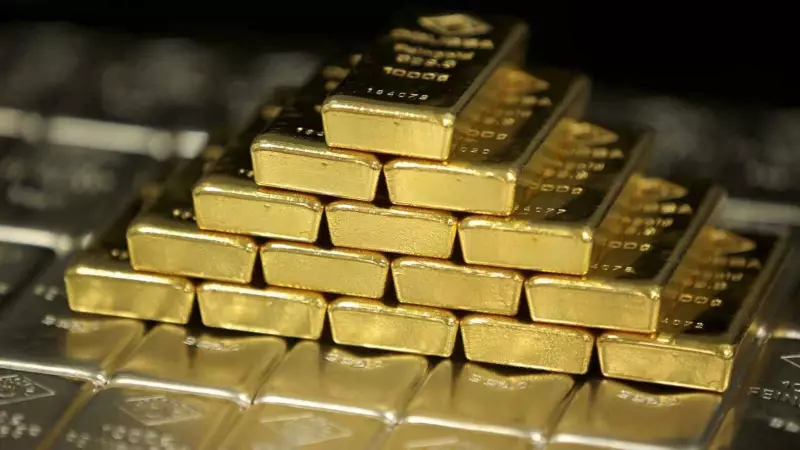
The year 2025 witnessed a historic and unprecedented bull run in the Indian precious metals market, with both gold and silver delivering staggering returns that left investors and analysts astounded. Data from the Multi Commodity Exchange of India (MCX) reveals a meteoric rise in domestic prices, marking one of the most remarkable annual performances in recent memory.
A Record-Breaking Year for Precious Metals
According to the official MCX data, the domestic spot price for gold experienced a monumental leap over the course of the year. On the final day of 2024, gold was quoted at ₹75,913 per 10 grams. Fast forward to 31 December 2025, and the price had skyrocketed to ₹1,32,640 per 10 grams. This translates to an absolute gain of ₹56,727, representing a phenomenal year-on-year increase of 75%.
However, the real showstopper of the year was silver. The white metal far outpaced its yellow counterpart, clocking gains that were nothing short of explosive. Silver, priced at ₹85,851 per kilogram on 31 December 2024, soared to a breathtaking ₹2,29,452 per kg by the year's end on 31 December 2025. This amounts to a colossal jump of ₹1,43,601 per kg, equating to an astronomical growth rate of 167% for the year.

Analyzing the Drivers of the Rally
While this report is based on the raw price data, such extreme movements in the precious metals market are typically driven by a confluence of powerful factors. A surge of this magnitude often points towards significant global and domestic economic shifts. Historically, such rallies are fueled by heightened geopolitical tensions, persistent inflationary pressures, a weakening domestic currency, and a strong surge in safe-haven investment demand. Investors globally tend to flock to assets like gold and silver during periods of market uncertainty and economic volatility, seeking to preserve their wealth.
Implications for Investors and the Economy
The dramatic gold and silver price surge in 2025 has wide-ranging implications. For retail investors and households, it significantly increases the value of existing holdings in jewellery, coins, or bars. However, it also makes fresh purchases substantially more expensive, potentially dampening festive and wedding season demand. For the broader Indian economy, a sustained high price of gold impacts the current account deficit due to imports, while also influencing domestic savings patterns. The outperformance of silver suggests robust industrial demand alongside investment interest, reflecting its dual role as a monetary and an industrial metal.
This remains a developing story. Market participants and analysts are expected to delve deeper into the specific catalysts behind this record-breaking rally. Readers are advised to check back for fresh updates and detailed commentary from financial experts as more information becomes available.






