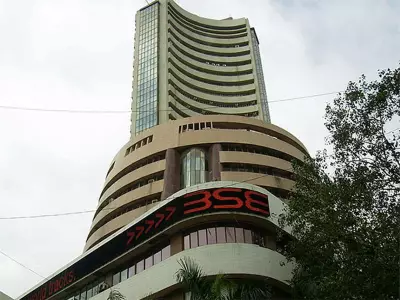
Budget 2026 Triggers Initial Market Turmoil, Then Recovery
The immediate market reaction to Budget 2026 was sharp and emotional, with Indian stock markets cracking around 2% during the special budget session on Sunday, February 1. This significant drop was driven by several key factors that created visible volatility across indices. The increase in Securities Transaction Tax on futures and options, the absence of headline tax giveaways for investors, and the resulting pressure on brokerage and exchange stocks all contributed to the initial sell-off. However, the markets experienced a notable recovery following latest developments in the India-US trade deal, with US President Donald Trump reducing tariffs from 25% to 18%, providing some relief to investor sentiment.
Beyond Surface Volatility: A Budget of Predictability and Discipline
Beneath the surface volatility, market experts believe Budget 2026 sends a far more powerful signal—one of predictability, discipline, and long-term capital formation. Rather than offering short-term excitement through populist measures, the Budget focused strategically on fiscal consolidation, sustained capital expenditure, infrastructure expansion, and regulatory reforms that improve market access for foreign investors. For investors with a medium- to long-term horizon, this combination of stability-oriented policies may prove more valuable than any immediate tax relief could offer.
Vikas Satija, MD & CEO of Shriram Wealth, summed up this sentiment clearly: “The Budget is less about instant gratification and more about reinforcing long-term discipline. While there were no headline tax giveaways for investors, the continued focus on fiscal consolidation, capital expenditure, infrastructure growth, and economic stability creates a supportive backdrop for sustainable wealth creation.” He emphasised that markets often reward policy predictability more than temporary populist measures, and that in the absence of disruptive tax changes, investors should stay focused on asset allocation, earnings growth, and time in the market rather than tax arbitrage. According to him, this Budget quietly strengthens the foundation for compounding wealth over time.

STT Increase: Recalibration Rather Than Setback
A key talking point has been the STT increase, which raised costs in the derivatives segment. In her Budget speech, Finance Minister Nirmala Sitharaman announced that STT on futures contracts will be raised to 0.05% from 0.02%. Meanwhile, STT on options premiums and exercise of options are both proposed to be raised to 0.15% from the present rates of 0.1% and 0.125%, respectively. While this has caused short-term setbacks in derivatives trading volumes and impacted brokerage and exchange stocks heavily, experts see this as a recalibration rather than a fundamental setback.
Swapnil Aggarwal, Director at VSRK Capital, noted: “Union Budget 2026 marks a critical phase for the Indian capital markets. Although the increase in Securities Transaction Tax on Futures and Options has caused short-term volatility, it also symbolizes the Government’s effort to standardize market participation costs.” He pointed out that while the STT hike has led to sell-offs in broking stocks, another major reform has gone relatively underappreciated—the easing of the Portfolio Investment Scheme.
Foreign Investment Reforms: Opening Doors to Global Participation
The move to allow foreign individuals to directly buy Indian equities, with the individual limit raised from 5% to 10% and the overall cap increased from 10% to 24%, could open the door to deeper and more stable foreign participation. This is particularly significant at a time when traditional Foreign Portfolio Investor flows have slowed. According to experts, this reform could gradually improve market liquidity and create opportunities in infrastructure, financials, manufacturing, and export-oriented sectors as foreign participation broadens and diversifies.
Post-Budget Stock Recommendations from Leading Brokerages
Various brokerages have suggested top stock picks to consider after Budget 2026, reflecting sectors that might benefit from the Budget’s long-term focus. Here’s a look at some of their recommendations:

- Prabhudas Lilladher favors Adani Ports, Bharti Airtel, Britannia Industries, Hindustan Aeronautics, ICICI Prudential AMC, L&T, M&M, and UltraTech Cement in large-caps. In mid- and small-caps, it prefers Amber Enterprises, Aster DM Healthcare, LG Electronics, Max Healthcare, and Supreme Industries.
- Axis Securities has identified Ultratech Cement, Ashok Leyland, Max Healthcare, HCL Technologies, Welspun Living, Embassy Office Park REIT, Ahluwalia Contract, and Biocon among its top post-budget picks.
- Angel One has picked Dr. Reddy’s Laboratories, Biocon, Sun Pharma, Zydus, Serum Institute, Tata Electronics, Micron India, Dixon, Raymond, Arvind, Welspun, Trident, Vardhman, RSWM, KVIC, HDFC Bank, ICICI Bank, SBI, PFC, and REC as its top post-budget stocks to buy.
Disclaimer: The views and recommendations made above are those of individual analysts or broking companies, and not of Mint. We advise investors to check with certified experts before making any investment decisions.