Bengaluru Businesses Face 100% Fine for Late Trade Licence Renewal After March 31
The Greater Bengaluru Authority (GBA) has issued a stern warning to business owners in the city, stating that trade licences must be renewed by March 31, 2026, or face a hefty 100% fine starting April 1, 2026. This announcement comes as part of a graded penalty system designed to encourage timely compliance and streamline municipal regulations.
Graded Penalty Structure for Licence Renewal
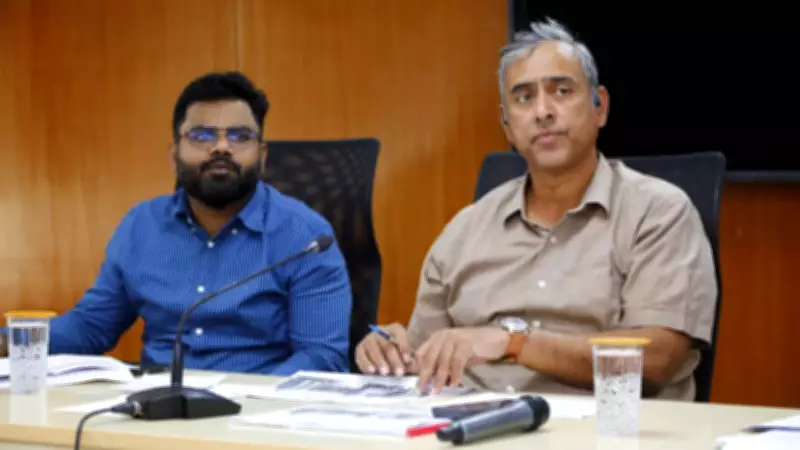
In an official statement, Maheshwar Rao, Chief Commissioner of the Greater Bengaluru Authority, detailed the penalty framework. Business owners can renew their trade licences without any penalty until February 28, 2026, through online platforms or via challan at Canara Bank. However, a significant change occurs in March: renewals processed between March 1 and March 31, 2026, will incur a 25% penalty in addition to the standard licence fee. From April 1, 2026, onwards, late renewals will attract a full 100% penalty, effectively doubling the cost for non-compliant businesses.
Rao emphasized that this penalty structure is intentionally stringent to motivate business owners to adhere to renewal deadlines, ensuring smoother municipal operations and compliance with local laws.

Multi-Year Renewal Option Introduced
In a move to enhance convenience, the GBA has introduced a new multi-year renewal option. Trade licence holders can now renew their licences for one to five financial years at once, with fees calculated based on the duration selected. This departure from previous annual renewal requirements aims to reduce administrative burdens for entrepreneurs. Importantly, all renewals must be completed exclusively online, reflecting the authority's push towards digital governance.
Stricter Regulations for Specific Business Categories
The GBA's release outlined additional compliance measures for certain business types, which could impact renewal approvals:
- Businesses on Narrow Roads: Trade licences for establishments that started after 2015 on roads less than 40 feet wide in residential zones will be withheld and rejected. For roads wider than 40 feet in residential areas, only permitted trades within prescribed limits will be renewed, with others facing rejection.
- Unauthorised Structures: Businesses operating fully or partially in unauthorised buildings, plan-violating areas, parking spaces, or rooftops will have renewal applications rejected if complaints are received.
- Waste Management Requirements: Establishments generating over 100 kg of waste must provide proof of on-site waste processing or agreements with empanelled vendors for proper disposal before renewal.
- Marriage Halls and Food Establishments: Marriage halls must submit written declarations and photographs showing compliance with office orders. Hotels, restaurants, and food service outlets must declare adherence to plastic bans, display posters about avoiding single-use items, and maintain separate wet (green) and dry (blue) waste bins for scientific disposal.
These measures underscore the GBA's focus on environmental sustainability and urban planning in Bengaluru's rapidly evolving business landscape.
Implications for Bengaluru's Business Community
The announcement has significant implications for the city's entrepreneurs, who must now navigate both financial penalties and stricter regulatory checks. Business owners are advised to act promptly to avoid the escalating fines, with the February 28 deadline offering a penalty-free window. The multi-year renewal option provides flexibility, but the online-only process and enhanced compliance requirements demand careful attention to detail.
As Bengaluru continues to grow as a commercial hub, such initiatives by the Greater Bengaluru Authority aim to foster responsible business practices while ensuring municipal revenues are collected efficiently. Failure to comply could not only result in substantial fines but also disrupt operations for non-renewed licences, making timely action crucial for all affected businesses.