

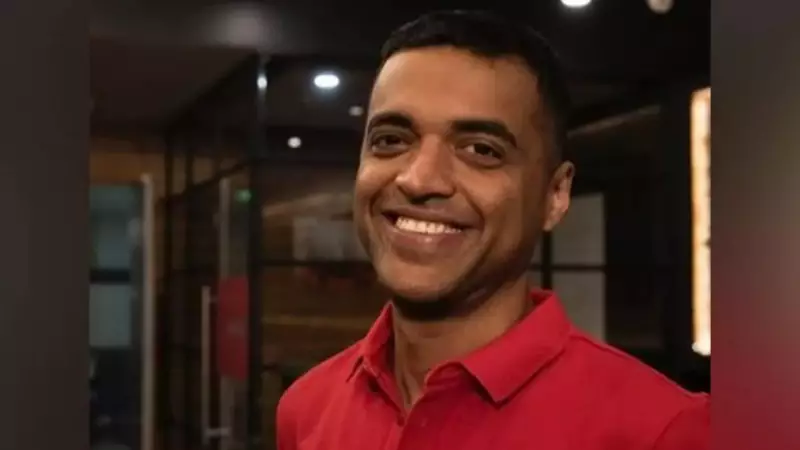
In a recent podcast appearance, Zomato founder and group CEO Deepinder Goyal addressed ongoing criticism about the company's treatment of its delivery workforce. He revealed that the food delivery and quick commerce giant terminates approximately 5,000 delivery partners every month. Goyal framed this figure as a standard part of managing a vast and fluid gig workforce, rather than arbitrary or punitive action.
Understanding the Scale and Nature of Gig Work
Goyal provided context by detailing the massive scale of Zomato and Blinkit's operations. He stated that the platforms collectively engage with between 700,000 to 800,000 monthly active delivery partners. Reflecting the transient nature of gig employment, the company onboards a staggering 150,000 to 200,000 new riders each month. "Most of it is part-time," Goyal explained, noting that many individuals join for brief periods to supplement their income.
Reasons for Termination and the Dispute Resolution System
The CEO emphasized that the monthly terminations are not for minor, one-time errors. Instead, they are primarily driven by repeated incidents of fraud or serious misuse of the platform. Common violations cited include:

- Marking orders as delivered without actually handing them to the customer.
- Delivery personnel consuming the food themselves.
- Abusing the cash-on-delivery system, such as not returning correct change for large currency notes.
To adjudicate disputes, Zomato employs a reputation or 'karma' system that tracks the historical behavior of both customers and delivery partners. Goyal acknowledged the inherent difficulty in assigning blame, admitting, "We can never be fully right." He revealed that in 50% to 70% of contested cases, the company absorbs the financial loss because responsibility cannot be definitively determined. "When the mismatch is very stark, and patterns repeat, then we take a call," he said, clarifying that termination is a last resort for consistent abuse.
Addressing Safety and Welfare Concerns
Goyal also pushed back against allegations that aggressive delivery timelines, especially for Blinkit's quick commerce service, compromise rider safety. He argued that faster delivery is achieved through operational efficiency, not reckless driving. "Ten-minute delivery is not enabled by asking people to drive fast," he stated, attributing speed to high store density and optimized, shorter delivery distances.
He detailed that Blinkit's average order packing time is under two minutes, and delivery partners are only contacted if delays become a repeated pattern. "Otherwise, there is zero human pressure," Goyal asserted.
On the charge of treating workers as disposable, the CEO highlighted several safeguards. These include accident and health insurance for active partners. In the tragic event of a rider's death in a road accident, he stated that the insurance payout is a minimum of Rs 10 lakh. The company also evaluates providing additional support like education sponsorships or job opportunities for dependents on a case-by-case basis.
Regarding the barrage of criticism often seen on social media, Goyal adopted a stoic stance. "People abuse social media and we just let it be," he said. His final message was a firm rebuttal to claims of capricious firings: "But we don't do random firings."






