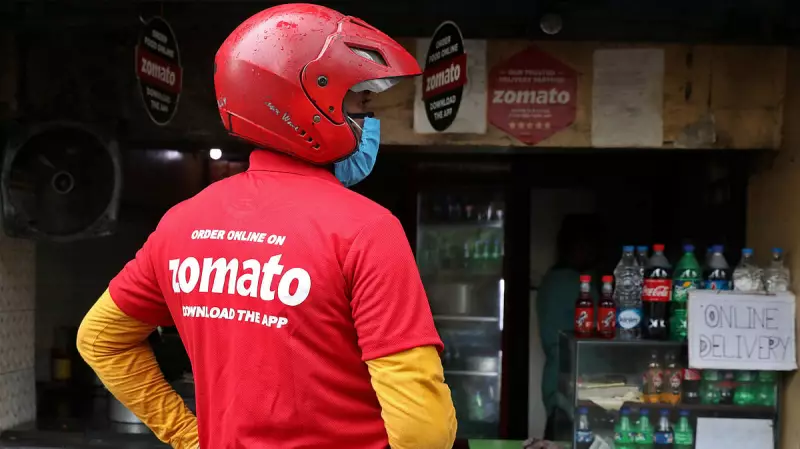
India's entrepreneurial landscape is witnessing a quiet but powerful revolution, and it's cooking up from an unexpected place: the home kitchen. A new wave of ambitious founders is bypassing the high costs of traditional restaurants to launch cloud kitchens, creating a booming home-based business sector that leverages technology to serve the nation's growing appetite for delivered meals.
The Rise of the Home-Based Cloud Kitchen
This model, often run by individuals or small teams, operates without the physical dining space, high street visibility, or extensive front-of-house staff of a conventional restaurant. The core operation involves preparing food specifically for delivery, with orders received almost exclusively through online aggregators like Swiggy and Zomato. This fundamental shift slashes startup and operational costs dramatically, making food entrepreneurship accessible to a much wider demographic.
Entrepreneurs are converting parts of their homes into compliant commercial kitchens, focusing on a streamlined menu to ensure quality and efficiency. This lean approach allows for rapid experimentation with cuisines and concepts based on real-time customer feedback from delivery platforms. The ability to pivot quickly is a significant advantage over traditional eateries, which are often locked into a single concept due to their substantial initial investment.

Driving Factors Behind the Surge
Several key trends are converging to fuel this home-based business explosion. The post-pandemic world has normalized food delivery as a regular part of life for millions of Indians. Furthermore, the digital payment infrastructure, bolstered by the Unified Payments Interface (UPI), has made cashless transactions seamless for both consumers and small business owners.
Another critical element is the empowerment of home chefs, particularly women, who are turning culinary skills into profitable ventures. This trend is not only generating income but also fostering financial independence and creating new economic opportunities from within the household. The model provides a flexible work environment, which is especially appealing to those seeking to balance business with family responsibilities.
Challenges and The Road Ahead
Despite the low barrier to entry, running a successful home-based cloud kitchen comes with its own set of hurdles. Intense competition on delivery apps means that visibility is a constant battle, often requiring investment in digital marketing within the platforms themselves. Maintaining consistent food quality and packaging that travels well is paramount, as a single bad review can significantly impact orders.
Operational challenges like ensuring reliable supply chains for ingredients, managing fluctuating demand, and adhering to FSSAI (Food Safety and Standards Authority of India) regulations for home-based food businesses are also critical for long-term sustainability. As this sector matures, scalability remains a key question for individual entrepreneurs looking to expand beyond a single kitchen setup.
Nevertheless, the cloud kitchen model represents a significant shift in India's food and beverage industry. It demonstrates how technology can democratize entrepreneurship, allowing passion for food to be transformed into a viable business with minimal capital. This home-based wave is set to continue reshaping how India eats, one delivery order at a time.