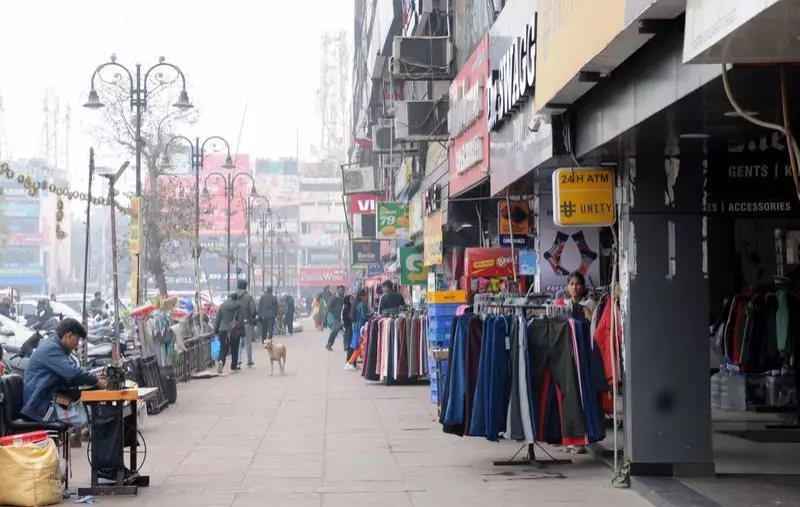
The bustling retail landscape of the Tricity area, encompassing Chandigarh, Mohali, and now Kharar, is witnessing a fascinating shift in power. Street vendors, armed with sharp business acumen and flexibility, are consistently outmaneuvering established retailers and even large supermarket chains. Their strategy is simple yet effective: relocate to areas with lower overhead costs and pass the savings on to customers through significantly lower prices.
The Vendor Migration: A Tactical Retreat for Greater Gain
This trend began in the upscale sectors of Chandigarh, where vendors faced intense pressure from municipal regulations and high operational costs. Many made a strategic decision to move their businesses to the neighboring cities of Mohali in Punjab and Kharar. This migration was not a sign of defeat but a calculated move for survival and growth. By setting up shop in these peripheral areas, vendors drastically reduced their daily expenses, including the absence of hefty rents and fewer regulatory hurdles compared to Chandigarh's strict enforcement.
The impact on pricing is stark and undeniable. A comparative analysis reveals a substantial gap. For instance, while retailers in Chandigarh's Sector 21 and other markets sell cauliflower for Rs 40-50 per kilogram, vendors in Kharar offer the same for a mere Rs 20 per kg. This pattern holds true for most essential vegetables. Tomatoes are priced at Rs 60-80 per kg in Chandigarh but available for Rs 40-50 in Kharar. Similarly, the price of peas is nearly halved, from Rs 80-100 per kg in the city to Rs 40-60 in the vendor hubs.

Consumer Behavior and the Price War
This dramatic price difference has fundamentally altered consumer shopping habits. A growing number of residents from Chandigarh and Mohali are now willing to travel the extra distance to Kharar for their weekly or even daily grocery purchases. The savings on a full basket of vegetables are substantial enough to justify the fuel cost and time. This consumer exodus is directly eating into the revenue of fixed-shop retailers and large-format stores in the core city areas.
Retailers in established markets are feeling the pinch. They cite higher fixed costs, including monthly rents ranging from Rs 20,000 to Rs 80,000, depending on location and shop size, as a major disadvantage. Additionally, they must adhere to all municipal taxes and regulations, costs that street vendors largely avoid. This structural disadvantage makes it impossible for them to compete on price alone. Their appeals to the administration for a more level playing field have so far yielded little result.
The Winning Formula: Agility and Low Overheads
The vendors' success boils down to their operational model. Their overheads are minimal. Without rent, expensive electricity bills, or permanent staff salaries, their break-even point is remarkably low. They often source produce directly from wholesale markets or nearby farms, cutting out middlemen. This lean structure allows them to operate on thinner margins while still making a profit, a flexibility that brick-and-mortar stores simply cannot match.
The situation highlights a broader economic reality in urban India. The informal sector, represented by these street vendors, can often adapt more quickly to market pressures than formal businesses. Their movement from Chandigarh to Mohali and now to Kharar is a clear example of economic opportunism and resilience. It also raises questions about urban planning, the integration of informal commerce into city ecosystems, and the future of retail where price sensitivity is high.
As things stand, the vendors' acumen is proving to be a formidable force. Their ability to undercut prices by relocating to cheaper operational bases has not only ensured their survival but has also allowed them to flourish, turning satellite towns into new commercial hubs for daily essentials. This ongoing shift continues to reshape the retail dynamics of the entire Tricity region.