Tarn Taran Villagers Rally Against Proposed Sale of Sheron Sugar Mill
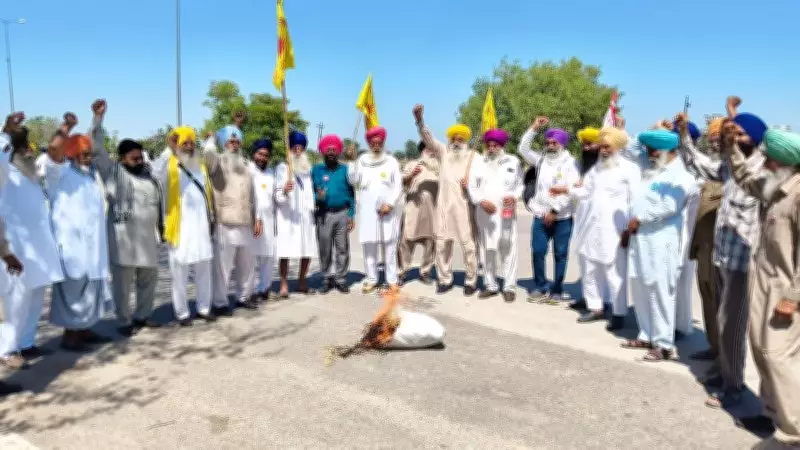
In a significant display of community solidarity, villagers from the Tarn Taran district of Punjab have joined forces to protest the planned sale of the Sheron-based sugar mill. This move has sparked widespread concern among local residents, who fear that the disposal of this key industrial asset could lead to severe economic repercussions, including substantial job losses and a decline in regional prosperity.
Economic Fears Drive Widespread Demonstrations
The protestors, comprising farmers, mill workers, and other community members, argue that the sugar mill is not merely a business entity but a vital lifeline for the area. They emphasize that its operations support numerous direct and indirect employment opportunities, contributing significantly to the local economy. The potential sale, they contend, threatens to dismantle this economic ecosystem, leaving many families without stable income sources.
Community leaders have voiced strong opposition, highlighting how the mill's presence has historically bolstered agricultural activities by providing a reliable market for sugarcane growers. They warn that its closure or transfer to private hands could disrupt supply chains and reduce farmers' bargaining power, exacerbating rural distress in a region already grappling with agricultural challenges.

Political and Social Implications of the Protest
The demonstrations have gained momentum, drawing attention from local political figures and social activists who are calling for government intervention to halt the sale. Protestors are demanding transparency in the decision-making process, urging authorities to consider the mill's socio-economic value before proceeding with any transactional agreements.
This protest underscores broader issues of industrial policy and rural development in Punjab, where the fate of state-owned enterprises often intersects with community welfare. Villagers have organized rallies and sit-ins, asserting that the mill should be revitalized rather than sold, possibly through public investment or cooperative management models that prioritize local interests.Looking Ahead: Uncertain Future for the Mill
As tensions escalate, the situation remains fluid, with no immediate resolution in sight. The protestors have vowed to continue their agitation until their demands are met, emphasizing that the mill's sale could set a dangerous precedent for other public assets in the region. This standoff highlights the delicate balance between economic reforms and social stability, particularly in agrarian communities dependent on such industries for survival.
In summary, the protest against the sale of the Sheron sugar mill in Tarn Taran reflects deep-seated anxieties about livelihood security and economic sustainability. It serves as a poignant reminder of the human cost associated with industrial decisions, urging policymakers to weigh financial considerations against the well-being of affected populations.