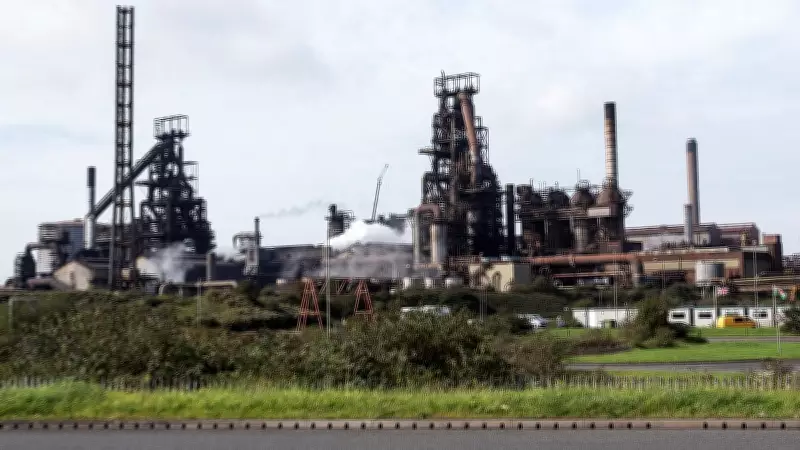
Steel Giants Still Far from Achieving Green Goals, Analysis Finds
A comprehensive report has revealed that the world's leading steel manufacturers are significantly behind in their journey toward environmental sustainability. Despite increasing global pressure to reduce carbon footprints, these industrial behemoths continue to rely heavily on traditional, high-emission production methods, putting climate targets at risk.
Slow Progress in Adopting Green Technologies
The analysis indicates that the adoption of cleaner technologies, such as hydrogen-based steelmaking and carbon capture, remains limited across the sector. Many companies are still in the pilot or planning stages, with full-scale implementation years away. This sluggish pace is attributed to high costs, technological hurdles, and a lack of robust regulatory frameworks in key regions.
Key findings from the report include:

- Emissions from steel production account for approximately 7-9% of global CO2 emissions, underscoring the sector's critical role in climate change mitigation.
- Only a small fraction of global steel output currently comes from low-carbon processes, with the majority still produced via coal-intensive blast furnaces.
- Investment in green steel initiatives is growing but remains insufficient to meet the ambitious net-zero targets set by many nations and international agreements.
Challenges in Decarbonizing the Steel Sector
Decarbonizing steel production is fraught with complexities. The industry's energy-intensive nature and reliance on coking coal make it one of the hardest sectors to green. Transitioning to alternative methods requires massive capital expenditure, which many firms are hesitant to undertake without clearer financial incentives or government support.
Experts warn that without accelerated action, the steel industry could become a major bottleneck in global efforts to limit temperature rise to 1.5°C above pre-industrial levels. The report calls for urgent policy interventions, including carbon pricing, subsidies for green innovation, and international collaboration to standardize low-carbon steel standards.
Regional Disparities and Future Outlook
The report also highlights significant regional disparities in green steel adoption. While some countries in Europe and Asia are making strides with pilot projects and regulatory pushes, others lag due to economic constraints or less stringent environmental policies. This uneven progress threatens to create competitive imbalances and could slow down the global transition.
Looking ahead, the steel industry faces a pivotal decade. With climate deadlines looming, companies must ramp up investments in research and development, forge partnerships across the supply chain, and embrace circular economy principles, such as recycling scrap steel, to reduce their environmental impact. The path to green steel is clear, but the journey remains long and arduous for these industrial giants.