PNG Consumers Experience Significant Fuel Loss from Retrofitted LPG Stoves
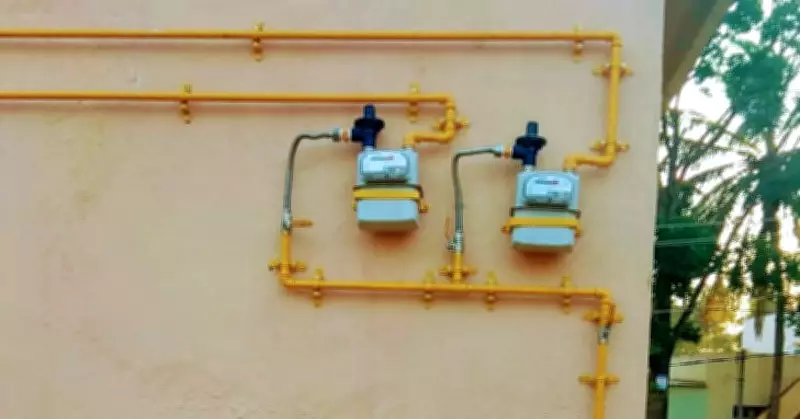
As the central government actively promotes the adoption of Piped Natural Gas (PNG) across the nation, a concerning issue has emerged for many consumers making the switch. Reports indicate that numerous households are inadvertently losing approximately 25% of their gas supply due to the retrofitting of their existing LPG stoves.
The Root of the Problem: Nozzle and Burner Modifications
The primary cause of this substantial fuel wastage lies in the modification process required to adapt traditional LPG stoves for PNG use. Technicians typically alter the nozzle and burner components to accommodate the different pressure and combustion characteristics of natural gas. However, these adjustments often result in inefficient fuel utilization, leading to the significant loss reported by consumers.
This efficiency drop means that for every 100 units of PNG purchased, only about 75 units are effectively used for cooking, with the remainder being wasted through incomplete combustion or improper gas flow. The problem appears widespread among consumers who have opted to retrofit their appliances rather than invest in new PNG-compatible stoves.

Government Push for PNG Adoption
The timing of this discovery is particularly noteworthy as it coincides with a major governmental initiative to expand PNG infrastructure and encourage consumer adoption. The Centre has been implementing various schemes and policies to transition households from traditional LPG cylinders to the more convenient piped natural gas systems.
Officials have emphasized the environmental and practical benefits of PNG, including reduced carbon emissions, elimination of cylinder handling, and continuous supply. However, the retrofitting issue threatens to undermine these advantages by increasing effective costs for consumers through fuel wastage.
Consumer Awareness and Technical Solutions
Many affected consumers report being unaware of the efficiency loss when they authorized the retrofitting of their stoves. The modification process is often presented as a simple, cost-effective alternative to purchasing new appliances, without adequate disclosure of potential performance impacts.
Industry experts suggest several approaches to address this problem:
- Improved technician training on proper retrofitting techniques
- Development of standardized conversion kits that maintain efficiency
- Clear consumer education about the trade-offs between retrofitting and new appliance purchase
- Regular efficiency testing of retrofitted stoves before and after modification
The situation highlights the importance of considering both infrastructure development and end-user appliance efficiency in energy transition programs. As PNG networks continue to expand across urban and semi-urban areas, resolving this retrofitting challenge will be crucial for ensuring that consumers realize the full benefits of switching to piped natural gas.