

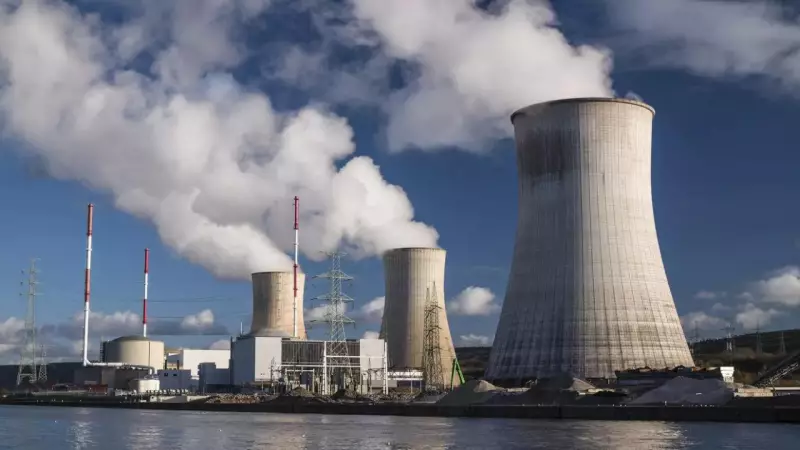
Prime Minister Narendra Modi's announcement about opening India's nuclear sector to private players has generated both enthusiasm and significant scepticism from nuclear energy experts. The Thursday declaration marks a potential turning point in India's energy policy, though implementation challenges remain substantial.
Modi's Vision for Nuclear Energy
According to Prime Minister Modi, the move toward privatization will accelerate development of advanced nuclear technologies, particularly small modular reactors (SMRs) and innovative reactor designs. The government believes this reform will significantly strengthen India's energy security while establishing technological leadership in the nuclear sector.
"This reform will give new strength to India's energy security and technological leadership," Modi stated, highlighting the strategic importance of the initiative. The announcement comes as India aims to dramatically increase its nuclear power capacity from the current 2% to 9% of total energy mix within two decades.

Expert Concerns and Scepticism
Atomic Energy Commission member Ravi B Grover expressed reservations about the timing and technological readiness of SMRs. "They are yet to be developed and it is premature to bet on them," Grover told TOI on Friday. He suggested that India would be better served by focusing on established 220MW pressurised heavy water reactors rather than unproven technologies.
Adding to the scepticism, Anil Kumar Anand, former director of BARC's reactor research group and head of the nuclear submarine project, highlighted the massive resource requirements. "Opening up nuclear field to private sector requires a lot of resources and money. For industries, to design and develop SMRs will be a challenge," Anand cautioned.
Ambitious Targets and Regulatory Challenges
The government has set an ambitious target of achieving 100GW of nuclear power capacity by 2047, which would require massive investment and technological advancement. Another former nuclear sector official, who preferred anonymity, pointed out that successful privatization might necessitate a complete revamp of the Atomic Energy Regulatory Board, which currently oversees safety standards at reactors.
The official also noted that any new private reactors would need to comply with existing international agreements, including the Indo-US nuclear deal, the Nuclear Suppliers' Group waiver, and India-specific safeguards agreements. This adds another layer of complexity to the privatization process.
While the government's vision represents a significant shift in nuclear energy policy, the path forward appears fraught with technological, financial, and regulatory challenges that must be addressed before private players can meaningfully contribute to India's nuclear ambitions.






