Industry Committee Recommends Mandatory Smart Prepaid Meters for Domestic PNG
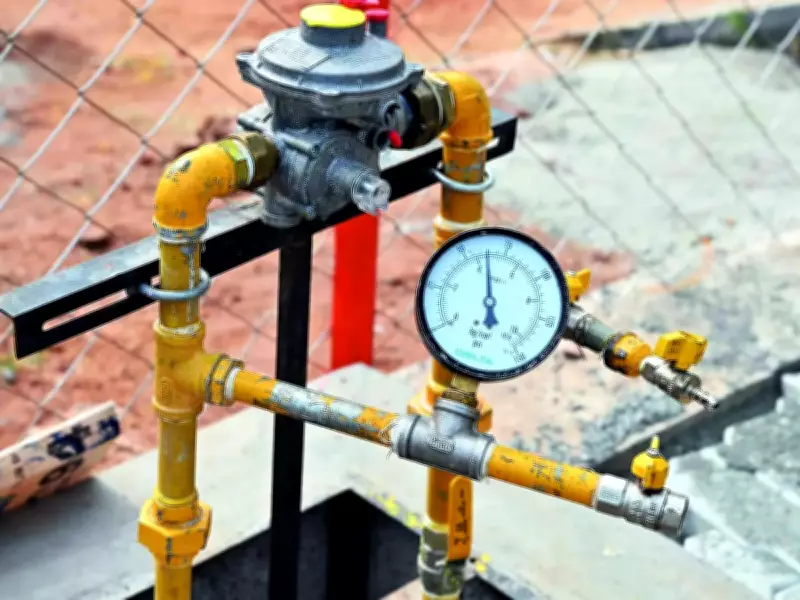
An influential industry committee has formally recommended a comprehensive nationwide transition to smart prepaid metering for domestic piped natural gas (PNG) connections. The committee described this shift as a "critical and forward-looking reform" essential for the sustainable development of India's gas distribution sector.
Addressing Long-Standing Sector Challenges
In a detailed report recently submitted to the Petroleum and Natural Gas Regulatory Board (PNGRB), the five-member panel highlighted that smart prepaid metering is urgently needed to resolve persistent industry challenges. These include billing inefficiencies, consumer payment defaults, escalating operational costs, safety concerns, and limited visibility into consumption patterns and network performance.
The committee, chaired by PNGRB Secretary Anjan Kumar Mishra, conducted extensive technical and economic assessments while consulting with multiple gas distribution companies before finalizing its recommendations.

Implementation Timeline and Phased Rollout
The proposed implementation strategy calls for regulatory amendments to be followed by mandatory installation of smart prepaid meters on all new domestic PNG connections within six months. For existing connections, the committee has outlined a carefully structured four-phase rollout plan to systematically replace conventional meters across the country.
As of January 31st, India had approximately 1.65 crore domestic PNG connections, alongside 48,568 commercial and 21,512 industrial connections. Of these, about 1.03 crore domestic connections were actively consuming gas.
Accelerated PNG Adoption Amid Global Supply Disruptions
The recommendation comes at a crucial time when the government is actively promoting PNG adoption as an alternative to LPG, particularly amid global supply chain disruptions. Since March, authorities have successfully gasified approximately 4.8 lakh new connections, with an additional 5.3 lakh new registrations recorded across various regions.
While some progressive gas companies have already begun limited installations of smart meters, they currently employ different technological standards due to the absence of standardized guidelines and necessary regulatory frameworks.
Financial Implications and Consumer Protection
The committee emphasized that since gas distribution companies stand to gain substantially from this transition through reduced bad debts, lower manual billing expenses, and improved cash flow management, they should absorb the additional implementation costs. The panel specifically recommended that these expenses should not be passed on to consumers, ensuring the reform remains consumer-friendly while modernizing infrastructure.
This comprehensive approach aims to create a more efficient, transparent, and financially sustainable natural gas distribution ecosystem that benefits both providers and consumers across India's growing energy landscape.