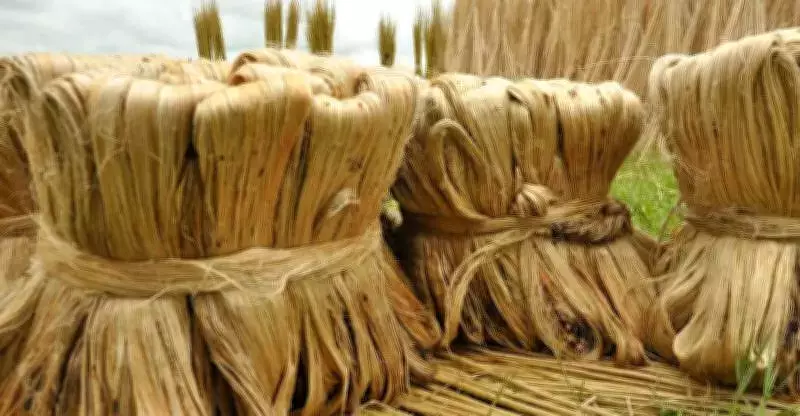
The National Fibre Scheme, unveiled in the recent Union Budget to foster self-reliance in natural fibres, is being hailed as a potential lifeline for Kolkata's beleaguered jute industry. According to prominent jute mill owners, this initiative could breathe new life into a sector grappling with numerous challenges.
Industry Leaders Welcome the Move
Ghanshyam Sarda, chairperson of the Sarda Group and owner of Agarpara Jute Mills, expressed optimism about the scheme. He stated that recognizing raw jute as a national fibre will undoubtedly benefit raw jute growers, bolster the jute industry, and create additional employment opportunities. However, Sarda noted that the industry had hoped for more substantial measures, particularly regarding the mandatory use of biodegradable and eco-friendly jute bags.
Addressing Supply Constraints and Export Potential
Abhishek Poddar, director of Ganges Jute Pvt Ltd and regional chairman of FIEO, elaborated on the scheme's broader objectives. He explained that it aims to promote self-reliance in fibres, with a special emphasis on natural fibres such as silk, wool, and jute, alongside man-made and new-age fibres. By strengthening the domestic fibre ecosystem, Poddar believes the initiative will establish a more resilient and competitive textile value chain, ultimately boosting exports.

Current Challenges Facing the Jute Sector
Poddar highlighted the acute scarcity of raw jute currently plaguing the Indian jute industry. The ban on raw jute imports from Bangladesh has exacerbated supply constraints, forcing several mills to either shut down operations or reduce working shifts. In this context, he described the National Fibre Mission as a welcome and timely intervention.
Pathway to Stabilization and Innovation
Greater self-reliance in jute cultivation, coupled with improvements in fibre quality and productivity, can stabilize the availability of raw jute materials and accelerate the development of value-added jute products, Poddar asserted. He added that the mission will also strengthen research and innovation efforts and integrate farmers more closely with the supply chain, fostering a more sustainable and efficient industry ecosystem.
With 88 jute mills currently operating in the state, the success of this scheme could have far-reaching implications for Kolkata's economic landscape and India's position in the global textile market.