Mumbai's Restaurant Industry Faces Existential Crisis as LPG Shortages Persist
Mumbai's vibrant food scene is collapsing under the weight of a severe commercial LPG shortage, with industry leaders reporting that government promises of relief have failed to materialize on the ground. Despite recent announcements of increased supply allocations, the crisis continues to deepen, threatening the survival of thousands of dining establishments across the metropolitan region.
Staggering Closure Numbers Reveal Industry in Distress
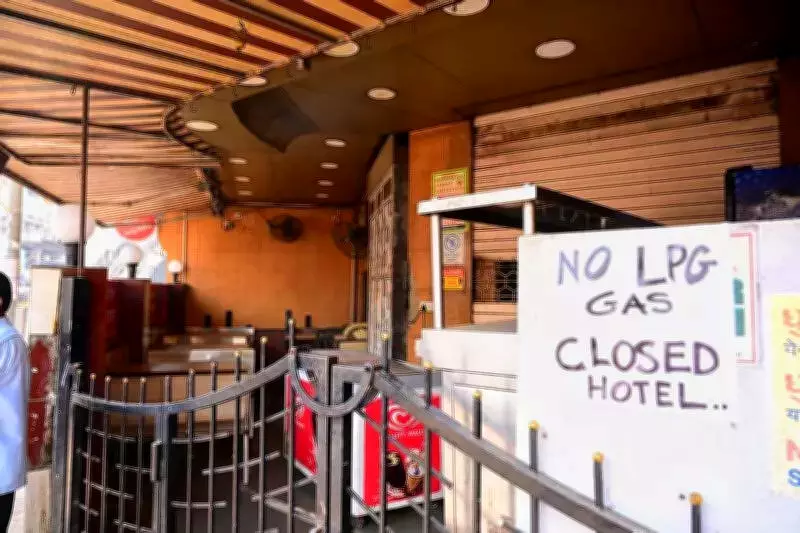
The Association of Hotels and Restaurants (AHAR) has revealed alarming statistics that paint a grim picture of Mumbai's hospitality sector. According to their latest assessment, nearly 7,000 of the approximately 20,000 restaurants operating in the Mumbai Metropolitan Region have already ceased operations. Even more concerning is that another 3,000 establishments are teetering on the brink of closure, creating a potential loss of 10,000 restaurants from the city's culinary landscape.
Vijay Shetty, President of AHAR, expressed frustration at the disconnect between policy announcements and ground reality. "Despite promises to restore LPG supply, eateries are shutting one by one," Shetty stated. "The promised increase in LPG supply is yet to translate into any meaningful relief for restaurant owners who are struggling to keep their businesses afloat."

Government Intervention Falls Short of Expectations
The crisis comes despite recent intervention from Maharashtra's Food and Civil Supplies Minister Chhagan Bhujbal, who announced a 20% additional allocation of commercial LPG to the hospitality sector. This move was intended to raise supply levels to approximately 50% of pre-crisis availability, with expectations that it would provide much-needed relief to struggling restaurants.
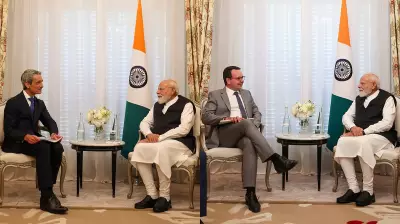
However, industry representatives report that this allocation has failed to address the fundamental supply bottlenecks. AHAR office-bearers met with Minister Bhujbal on Tuesday to voice their concerns, highlighting that the promised quota has not effectively reached the eateries that desperately need it.
"Many of our members are still struggling to procure cylinders on a regular basis," Shetty explained. "Some restaurant owners have already made the difficult decision to shut down operations completely if the situation doesn't show immediate improvement."
Surviving Restaurants Forced to Implement Drastic Measures
For those establishments still operating, survival has required extreme adaptations that compromise both service quality and profitability:
- Significant menu reductions to focus on dishes requiring less cooking time or fuel
- Shortened operating hours to conserve limited LPG supplies
- Price increases of ₹10-20 per dish to offset rising operational costs
- Temporary closures during peak supply shortage periods
Chetan Mehta of the Hotel and Restaurant Association (Western India) echoed these concerns, stating, "The additional allocation of 20% commercial LPG has not translated into any meaningful relief on the ground. In fact, the situation has continued to deteriorate despite these measures."
Widespread Impact on Mumbai's Food Ecosystem
The prolonged LPG shortage has created ripple effects throughout Mumbai's entire food ecosystem. Industry stakeholders warn that unless supplies stabilize quickly, more closures will inevitably follow, further reducing affordable dining options for Mumbaikars who rely on restaurants for daily meals.
Mehta provided additional context about the scale of the crisis: "It is now estimated that nearly 30-40% of food and beverage outlets have shut over the past couple of weeks. With each passing day, more establishments are opting for temporary closures as they cannot sustain operations with such unreliable fuel supplies."
The gap between policy announcements and actual supply availability remains the critical concern for industry leaders. Restaurant owners are increasingly considering additional price adjustments as a last resort to stay afloat, but recognize this may further reduce customer traffic in an already challenging economic environment.

The crisis highlights the fragile nature of Mumbai's hospitality sector and its dependence on consistent fuel supplies. As the situation continues to evolve, industry bodies are calling for more effective implementation of supply chain solutions and transparent communication about when normal operations might resume.