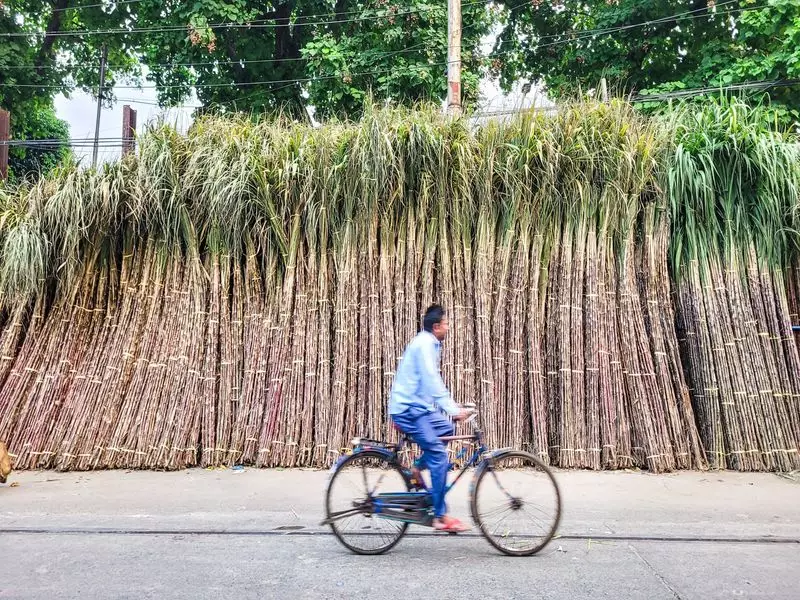
The Indian Sugar Mills Association (ISMA) has made a strong appeal to the central government, urging an immediate and substantial increase in the minimum selling price (MSP) of sugar. The industry body argues that this step is critical to protect the financial health and sustainability of millions of sugarcane farmers across the country.
The Core Demand: A Significant MSP Hike
ISMA has formally requested the government to raise the MSP of sugar from the current level to ₹40 per kilogram. This call for revision comes against the backdrop of continuously escalating costs of production. Key inputs like sugarcane, labor, and transportation have become significantly more expensive. However, the MSP for sugar has remained stagnant, creating a severe financial squeeze for sugar mills, which directly impacts the payments due to farmers.
The association highlighted that the last revision of the sugar MSP occurred in February 2019, when it was fixed at ₹31 per kg. Since then, there has been no adjustment, despite a dramatic surge in input costs. This disconnect threatens the economic viability of the entire sugar value chain, from the mill to the field.
Why the Increase is Non-Negotiable
ISMA President, Mr. Aditya Jhunjhunwala, emphasized the urgency of the situation. The primary rationale is to ensure that sugar mills can clear their mounting cane price arrears to farmers promptly. When mills operate at a loss or with thin margins due to a low MSP, their ability to pay farmers on time diminishes, leading to cycles of debt and distress in the agrarian community.
The association presented a clear cause-and-effect argument to the government:
- Rising Production Costs: The cost of producing sugar has risen sharply over the past five years.
- Stagnant Revenue: The MSP has not kept pace, eroding mill profitability.
- Farmer Dues: Unprofitable mills delay or default on sugarcane payments.
- Systemic Risk: The financial instability of mills jeopardizes the entire sugar economy.
An increased MSP would provide a much-needed buffer, ensuring mills have the financial capacity to honor their commitments to farmers, thereby safeguarding rural incomes and stability.
Broader Implications for India's Sugar Economy
This demand is not made in isolation. The Indian sugar industry is a cornerstone of the rural economy, supporting over 50 million farmers and their families. A financially stressed sugar sector has far-reaching consequences, potentially affecting agricultural patterns, rural employment, and even food security.
ISMA's appeal underscores a critical need for policy intervention that reflects ground realities. The government's role in setting a remunerative MSP is seen as essential to balance the interests of consumers with the survival needs of producers. A revised MSP would not only secure timely payments for the current season's cane but also instill confidence in farmers for the upcoming planting cycles, ensuring a steady supply of sugarcane.
The ball is now in the government's court. Industry stakeholders and farmer groups await a decision that could determine the financial trajectory of the sugar sector for the coming season. The association's proposal for a ₹40/kg MSP is framed as a necessary correction to align the price of sugar with the contemporary costs of producing it, ultimately aiming to fortify the foundation of India's vast sugar farming community.