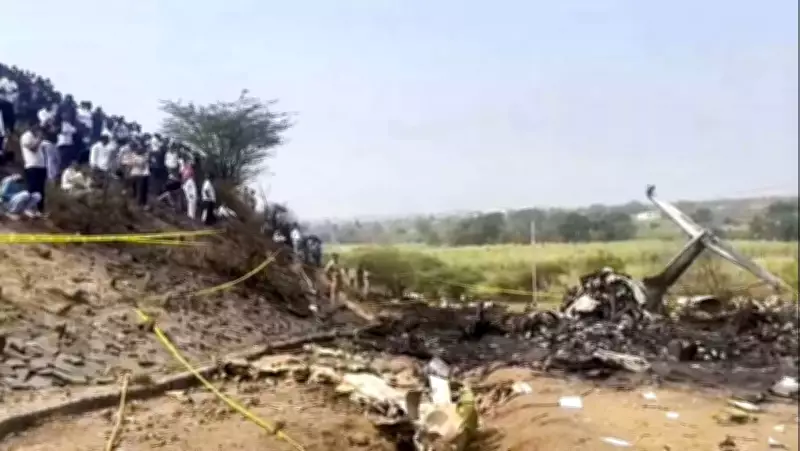
MUMBAI: India's charter aviation industry has experienced steady growth, effectively bridging a critical connectivity gap left by traditional airlines by linking smaller towns and regional airports. This expansion has provided vital access to areas beyond the reach of scheduled airline networks. However, industry experts are raising alarms about inconsistent safety compliance among non-scheduled operators, with standards often falling short of those maintained by established airlines.
Uneven Safety Standards in a Growing Sector
The implementation of crucial safety protocols, including pilots' flight duty time limitations, maintenance standards, and weather-related decision-making processes, varies significantly between different charter operators. While charter flying offers unparalleled speed, flexibility, and access to remote destinations, this very convenience highlights fundamental differences in how safety is prioritized compared to airline operations.
Pressure on Pilots from High-Profile Passengers
In airline operations, safety decisions are typically governed by strict institutional protocols. In contrast, charter operations often place these decisions closer to the cockpit, where passenger urgency and convenience can exert substantial influence, potentially compromising safety considerations. Captain Manoj Hathi, former senior flight operations inspector at the Directorate General of Civil Aviation (DGCA), explained this dynamic clearly.

"Non-scheduled flights frequently transport high-net-worth individuals with fixed objectives such as meetings, events, or functions," said Capt Hathi. "This creates immense pressure on pilots to land at the intended destination regardless of conditions, even when diversion would represent the safer alternative."
Operational Realities and Infrastructure Challenges
Captain R K Bali of the Business Aircraft Operators Association noted that India's non-scheduled aircraft operators maintain a fleet of approximately 300 aircraft. He emphasized the critical need for transparent pre-flight communication between pilots and passengers. "Pilots must conduct objective risk assessments for each flight and thoroughly brief passengers, particularly when flying into small, uncontrolled airports with limited landing aids during marginal weather conditions," Bali stated. "Pilots should operate without external pressure to complete landings, as ultimate responsibility rests with them."
Unfortunately, this ideal scenario often remains unrealized. A senior pilot described the substantial pressure crews frequently encounter. "When politicians travel by road, traffic is halted and junctions are sealed, prioritizing VIP safety at public inconvenience. When these same individuals travel by air, this inconvenience shifts entirely onto pilots," the pilot revealed. "Charter aircraft are expected to operate on tight schedules to small airfields because meetings, rallies, or public appearances cannot be missed."
Systemic Issues in Charter Operations
Several additional factors influence safety standards in charter aircraft operations. Unlike scheduled airlines, which maintain strict monitoring of pilot flight duty time limitations and have replacement crew readily available, charter operations typically function with limited manpower. "There's an expectation of availability whenever required," noted Capt Hathi. "Passengers often run late, and replacement crew are scarce except at main bases."
Training Deficiencies and Workforce Challenges
Irregular flight schedules also impact pilot proficiency, as charter pilots frequently lack the consistent operational experience that benefits airline crews, potentially affecting skill retention and operational discipline. The sector additionally struggles with retaining experienced flight personnel. "Many first officers and captains view charter flying as transitional toward airline careers," explained an operator. "Attrition rates are high, with many captains being older, retired from airlines, or not selected elsewhere."

Training infrastructure represents another significant vulnerability. Most non-scheduled operators lack dedicated training departments comparable to airlines, primarily due to cost constraints. Refresher training and procedural updates often depend on self-study initiatives. This problem intensifies when operators maintain multiple aircraft types within small fleets, complicating procedural standardization efforts.
Complexities of Short-Notice Operations
Short-notice flights, including medical evacuations or emergency travel, introduce additional operational complexity. "There's frequently insufficient time for proper briefing or preparation," a source disclosed. Furthermore, charter pilots typically handle responsibilities that airlines distribute across multiple specialized departments. Flight preparation, loading calculations, technical documentation, and coordination often fall solely on pilots, meaning their effective duty begins hours before official reporting times.
These combined factors create an operational environment where safety compliance depends heavily on individual operators and pilots rather than the institutional safeguards characteristic of airline operations. As India's charter aviation sector continues its expansion, addressing these systemic challenges becomes increasingly crucial for ensuring sustainable growth alongside enhanced safety standards.