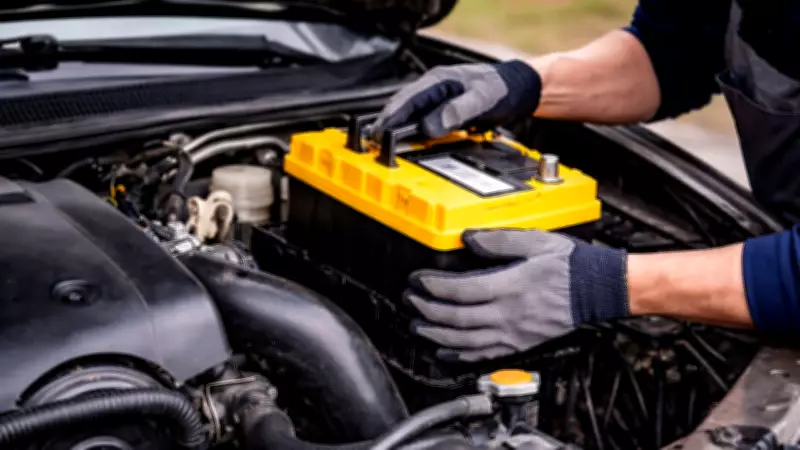
Warning Signs Your Car Battery Needs Replacement to Avoid Breakdowns
A weak car battery remains one of the primary causes of vehicle breakdowns globally, leading to inconvenient and often costly situations for drivers. Car owners are strongly advised to watch for early warning signs before complete failure occurs, as proactive maintenance can save time and money. Most modern automotive batteries typically last between three and five years, though some may endure longer under ideal conditions.
However, various factors can significantly reduce this service life. Weather conditions, such as extreme heat or cold, driving patterns like frequent short trips that prevent full recharging, and increased electrical demand from modern vehicle systems all contribute to accelerated battery degradation. In this comprehensive guide, we will explore the critical signs that indicate your car battery requires replacement to ensure reliable vehicle operation.
Slow Engine Crank: The First Red Flag
One of the earliest and most noticeable signs of battery deterioration is a slow engine crank. When you turn the ignition key, if the engine takes longer than usual to start or cranks sluggishly and unevenly, it often indicates that the battery cannot supply adequate power to the starter motor. This symptom should prompt an immediate battery test to assess its health and remaining capacity.

Intermittent Starting Issues and Jump-Start Dependence
Another clear indicator of a declining battery is intermittent starting problems. A vehicle that starts inconsistently—sometimes firing up immediately and other times struggling—or requires repeated jump-starts within a short period likely has a battery nearing the end of its life. While starter motor faults can produce similar symptoms, automotive technicians typically begin diagnostics by evaluating battery condition, as it is the most common culprit.
Electrical Irregularities and System Malfunctions
Electrical irregularities also point to possible battery weakness. Dim headlights, flickering cabin lights, slower power window operation, or weak audio system performance can all signal low voltage output from the battery. As newer vehicles increasingly rely on sophisticated infotainment systems, digital displays, and advanced driver-assistance features, a stable and robust electrical supply becomes more critical than ever for safe and comfortable driving.
Dashboard Warning Lights and Charging System Alerts
Dashboard warning lights provide additional important cues. An illuminated battery symbol or charging system warning light may indicate an issue with the battery itself or the alternator, which is responsible for recharging the battery while the engine runs. Professional inspection is recommended to determine the exact cause, as misdiagnosis can lead to unnecessary repairs or continued breakdown risk.
Physical Signs: Corrosion and Battery Damage
Physical signs such as corrosion around the battery terminals can affect electrical contact and overall performance. While corrosion alone does not always necessitate replacement, it may reflect ageing components or internal leakage. Cleaning terminals with a proper solution can help, but recurring buildup often justifies a battery change. Additionally, high temperatures can damage batteries, causing the casing to swell and accelerating internal chemical reactions that reduce lifespan. A swollen or cracked battery case requires immediate attention and likely replacement.
Acid Leakage and Unusual Odours
An unusual odour resembling rotten eggs may signal sulphuric acid leakage from the battery. This is a serious issue that can lead to further damage to vehicle components and poses safety risks. In such cases, replacement is strongly advised without delay to prevent escalation of problems.
The Importance of Age and Preventive Maintenance
Age remains a key consideration in battery health. Manufacturers generally recommend testing batteries after three years of service. The production date printed on the battery unit can help determine if preventive replacement is necessary, particularly before extreme seasonal conditions like winter cold or summer heat that place additional strain on electrical systems.

Timely battery replacement is crucial not only for reliable vehicle starting but also to avoid undue strain on the alternator and related electrical components. Routine servicing and regular voltage checks during maintenance visits can help identify declining performance early, significantly reducing the risk of sudden breakdowns and ensuring peace of mind for drivers.