India proudly wears the crown of the world's largest milk producer, with dairy deeply woven into its cultural and culinary identity. However, a significant dietary shift is quietly reshaping this landscape. Fueled by rising health awareness and increasing disposable incomes, a surge in demand for lactose-free dairy products is underway. This movement finds its roots in a startling statistic: approximately 67% of the Indian population experiences some level of lactose malabsorption, as noted by the National Library of Medicine. This vast, previously underserved consumer base is now powering a high double-digit growth in the category, where Amul commands a dominant market share of over 90%.
The Science Behind Easier Digestion
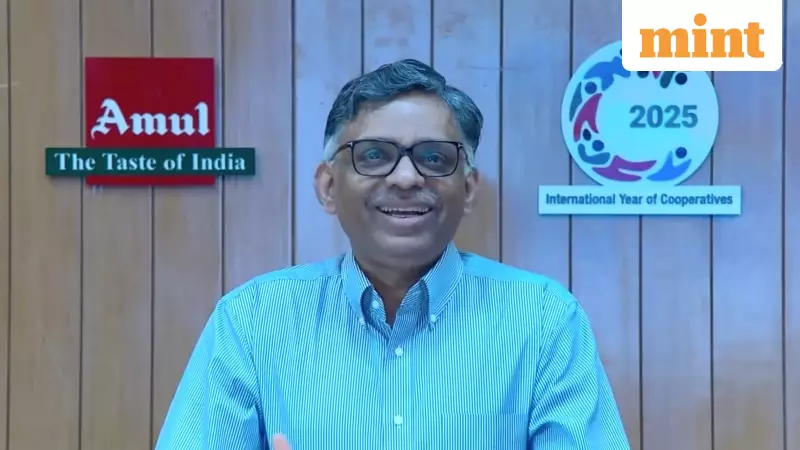
For countless Indians who face digestive discomfort after consuming regular milk, lactose-free alternatives provide a way to enjoy the complete nutritional profile of dairy without the adverse effects. In an exclusive conversation with LiveMint, Jayen Mehta, Managing Director of Amul (GCMMF), explained the simple yet effective process. The key difference lies in an enzymatic treatment applied before packaging.
"In lactose-free milk, the lactase enzyme is added to the milk before its final packing. This enzyme breaks down the lactose, or milk sugar, into glucose and galactose before consumption. Therefore, any lactose-intolerant person can easily consume and digest milk and milk products," Mehta stated. He emphasized that this modification targets only the sugar component, leaving the vital nutrients untouched. The essential protein and calcium content remain fully intact, ensuring consumers receive all the dietary benefits.

A Strategic Portfolio for Widespread Adoption
Amul's strategy for capturing this growing market extends far beyond just plain milk. The company has built a comprehensive portfolio designed to meet diverse consumption needs, which is a primary driver of the segment's explosive growth. "We pioneered lactose-free milk, and today we have a big range of lactose-free products," Mehta revealed.
This extensive range includes items like lactose-free ice cream, high-protein dahi (curd), single-origin coffee variants, whey protein concentrate, and even traditional sweets like peda. This variety is a deliberate move to encourage trial and regular use. "We are creating a portfolio of products... that would help gain consumer traction for those who are not able to digest milk with regular lactose," he added.
Democratising Access with Affordable Pricing
Addressing the common perception that lactose-free products are prohibitively expensive, Amul has adopted a focused pricing philosophy to ensure broad accessibility. Mehta clarified the company's approach: "We don't actually intend to charge any premium for lactose-free products. For us, both customers are the same. And that is how we have been able to grow this market significantly."
This commitment is reflected in the price point; for instance, a 250 ml Tetra Pak carton of Amul Lactose-Free Milk costs just ₹25. Other products in the line, like the single-origin coffee and high-protein curd, are also priced reasonably. The brand's goal is clear: to offer specialized dairy options that are practical for a wide section of society.
The Packaging Innovation Enabling National Reach
A critical factor in Amul's success with lactose-free dairy is its use of Ultra High Temperature (UHT) processing and Tetra Pak packaging. This technology eliminates the need for a continuous, expensive cold chain, which is a major distribution hurdle for perishable items like milk. The UHT process grants the product a remarkable six-month shelf life without refrigeration or preservatives until opened.
When asked if this packaging has helped democratize the product, Mehta responded emphatically: "Absolutely, yes, because it is a long-life format." Coupled with Amul's massive distribution network of 90 branches, 20,000 distributors, and over 2 million retail outlets, this packaging ensures nationwide availability. "Lactose-free milk is available across the length and breadth of the country. You can get it in Srinagar. You can get it in Madurai," he affirmed.

Furthermore, Amul offers the milk in smaller, convenient Tetra Pak sizes suitable for individual consumption, catering to households where only one or two members may need the lactose-free variant.
Dairy vs. Plant-Based Alternatives: A Distinct Market
While the market for plant-based milks like oat, almond, and soy is also expanding, Amul does not see them as direct competition to its lactose-free dairy range. Mehta highlighted the technical and nutritional distinction. "Technically, in India, anything which is not of bovine origin cannot be called milk," he said, adding that bovine milk, whether regular or lactose-free, is a natural "super food" unlike processed plant-based alternatives.
For a household brand like Amul, the segments serve different needs. The lactose-free category continues to experience high double-digit growth, with Amul's leadership unchallenged. Mehta attributes this success to a powerful combination of extensive distribution and a well-crafted product range.
The convergence of evolving consumer health trends, food technology, and packaging innovation is successfully moving lactose-free dairy from a niche, specialized product to an everyday staple in Indian kitchens.
Note: This feature is based on an interview produced by LiveMint in partnership with Tetra Pak.