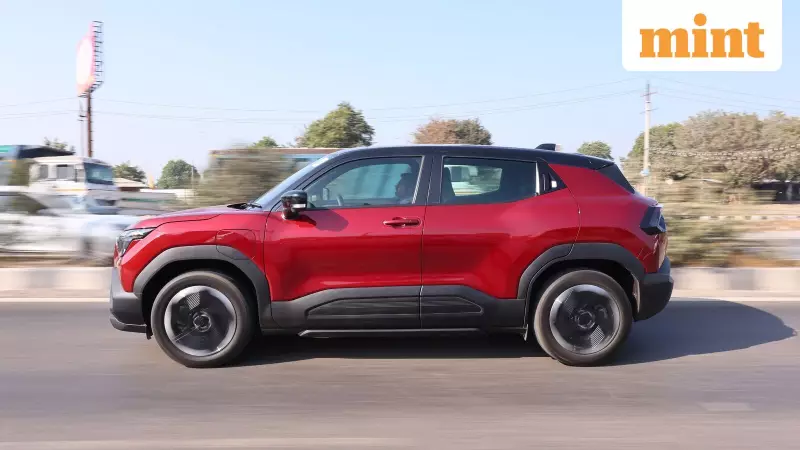
The Indian passenger vehicle market is poised for a transformative year in 2026, with a significant electric vehicle (EV) offensive planned by major automakers. This surge will see the entry of key players into the electric segment and a substantial expansion of existing EV lineups, marking a pivotal moment in the country's transition to sustainable mobility.
Confirmed Launches: A Detailed Look at the 2026 EV Lineup
The calendar for 2026 is packed with high-profile electric vehicle launches. Maruti Suzuki, the country's largest carmaker, will finally make its much-anticipated EV debut with the e Vitara in January 2026. This electric SUV, set to rival the Hyundai Creta Electric and Tata Curvv EV, will offer two battery packs (49 kWh and 61 kWh) across three variants, promising a range of up to 543 km on a single charge.
Tata Motors is planning a double launch to strengthen its dominant position in the EV space. The Tata Sierra EV, following the recent launch of its ICE version, will arrive in 2026. Based on the new Acti.ev+ platform, it is expected to offer around 500 km of range and an all-wheel-drive option. The bigger news is the Tata Avinya EV, which will debut Tata's new premium brand. This futuristic coupe SUV, based on the Gen 3 EV architecture, is poised to be one of the most significant launches of the year.

Other key launches include the Kia Syros EV in Q2 2026, positioned as a budget electric SUV to take on the Tata Nexon EV. Toyota will introduce its first pure electric SUV in India, the Urban Cruiser EV in March 2026, which will share its core specifications with the Maruti e Vitara. Vietnamese automaker VinFast will add the Limo Green, a seven-seater electric MPV, in February 2026, featuring a 60.1 kWh battery and a 450 km range.
Market Impact and Strategic Shifts
The collective entry and expansion by these major brands signal a strategic shift in the Indian automotive industry. Maruti Suzuki's entry is particularly crucial, given its massive market share and potential to accelerate mainstream EV adoption. Tata Motors' dual launch strategy aims to cover both the aspirational SUV segment with the Sierra and the premium futuristic space with the Avinya, showcasing its technological ambition.
The arrival of the Toyota Urban Cruiser EV, derived from the Maruti model, highlights the deepening collaboration between the two giants for the electric era. Meanwhile, Kia's budget-focused Syros EV and VinFast's people-mover Limo Green indicate a diversification of body styles and price points in the electric market, offering more choices to Indian consumers.
Conclusion: Charging Towards an Electric Future
The year 2026 is set to be a landmark period for electric mobility in India. With six confirmed models from domestic and international brands, the competition will intensify, likely leading to better technology, more features, and competitive pricing for consumers. This concerted push will significantly expand the available options beyond the current compact SUV segment, addressing a wider range of needs and budgets. The success of these launches will be critical in determining the pace of India's electric vehicle revolution in the latter half of the decade.