The Indian automotive landscape in 2025 was defined by a wave of significant new model launches, marking a pivotal shift towards electrification, advanced safety, and feature-rich experiences. Major automakers like Mahindra, Tata Motors, and MG India led the charge, reviving iconic nameplates while introducing cutting-edge technology. This year's portfolio spanned practical electric family SUVs, nostalgic comebacks, and thrilling performance-oriented models, catering to a diverse range of Indian buyers. Here is a detailed look at the most impactful car launches that hit the showrooms in 2025.
Electric Ambitions and Iconic Returns
The push for electric vehicles gained substantial momentum with the entry of a key player in the three-row EV segment. Simultaneously, a beloved name from the past made a grand return, blending nostalgia with contemporary engineering.
Mahindra made a strategic entry into the electric family SUV space with the launch of the XEV 9S. This model is Mahindra's first seven-seater electric vehicle, built on the dedicated INGLO platform. With an ex-showroom price range of ₹19.95 lakh to ₹29.45 lakh, it sits above the BE 6 and XEV 9e in the lineup. The XEV 9S promises a claimed real-world range of up to 500km, supported by multiple battery options. It sets a new benchmark with premium offerings like triple 12.3-inch screens, Level 2+ ADAS, fast charging capability, a spacious cabin, and front trunk (frunk) storage.

In a move that stirred nostalgia, Tata Motors brought back the Sierra after a hiatus of over two decades. Launched at an introductory, ex-showroom price starting from ₹11.49 lakh, the new Sierra marries its iconic design cues with modern powertrains and technology. It introduces several firsts for Tata, including a triple-screen dashboard layout, ultra-slim bi-LED headlamps, and one of the largest panoramic sunroofs in its class. The Sierra debuts Tata's new 1.5-litre turbo-petrol engine and is also available with diesel and naturally aspirated petrol options. Bookings for the SUV commenced with a token amount of ₹21,000.
Refreshed Favorites and New-Generation SUVs
While new segments were created, existing bestsellers received crucial updates to stay competitive, and popular compact SUVs entered their next generation.
MG Motor India introduced the third facelift for its flagship, the Hector. The 2025 update, priced between ₹11.99 lakh and ₹19.49 lakh (ex-showroom), focused primarily on design and cabin enhancements rather than mechanical changes. It features a revised grille, subtle bumper modifications, and refreshed interior themes. The powertrain options—petrol and diesel engines—remain unchanged. Both the five-seat Hector and the seven-seat Hector Plus variants continue to appeal to buyers prioritizing space and a long list of features.
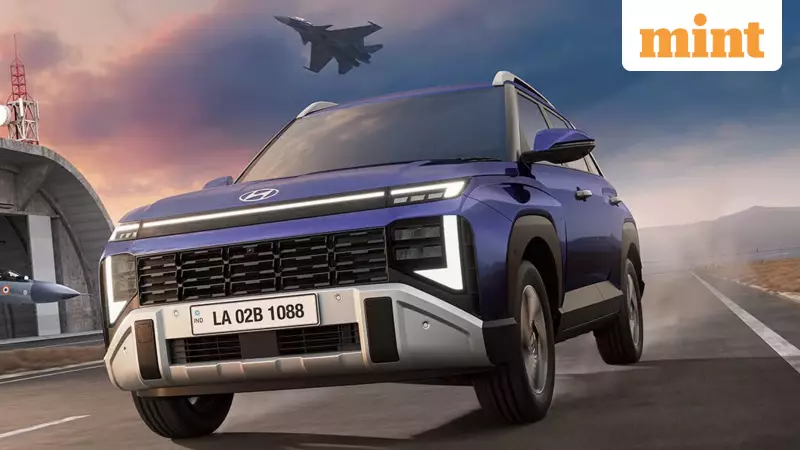
Hyundai launched the all-new second-generation Venue, alongside the sportier Venue N Line variant. The new Venue, with an introductory ex-showroom price starting at ₹7.90 lakh, received comprehensive upgrades in design, features, and safety. It adopts Hyundai's latest design language and comes equipped with dual 12.3-inch screens, advanced connected car technology, and Level 2 ADAS. Multiple petrol and diesel engine options are retained. The Venue N Line variant is aimed at driving enthusiasts, offering a turbo-petrol setup and distinct, sportier styling elements.
Lifestyle and Performance Highlights
The year also catered to niche segments, with the return of an open-top lifestyle car and a high-performance sedan for enthusiasts, albeit in limited numbers.
Mini India reintroduced the Cooper S Convertible to the Indian market as a completely built unit (CBU). Priced at ₹58.50 lakh (ex-showroom), this model offers a rare open-top driving experience. It is powered by a 2.0-litre turbo-petrol engine and combines classic Mini aesthetics with modern technology. Its key feature is an electrically operated fabric roof, and its compact dimensions position it as a unique lifestyle-focused offering for urban buyers.

For performance purists, Skoda brought back the Octavia RS as a limited-run import. With an ex-showroom price tag of ₹49.99 lakh, this model was targeted squarely at driving enthusiasts. It is equipped with a 2.0-litre turbo-petrol engine mated to a dual-clutch automatic gearbox, making it the most powerful version of the Octavia ever sold in India. The Octavia RS features sporty design elements and a feature-rich cabin. Its combination of strong performance and pedigree led to it selling out quickly, despite its premium positioning.
The 2025 model year conclusively demonstrated the Indian auto industry's dual focus: a rapid and serious transition towards electric mobility, particularly in high-demand segments like SUVs, and a continued commitment to offering diverse choices—from value-packed mainstream models to emotional, performance-driven machines. The emphasis on advanced driver-assistance systems, connected technology, and premium interiors has now become standard, raising the bar for what Indian consumers can expect from their new cars.