Punjab Grapples with Escalating Food Grain Storage Crisis as New Harvest Nears
Chandigarh: For the second consecutive year, Punjab is confronting a critical shortage of storage capacity for food grains, raising alarms among state officials and industry stakeholders. The looming 2026-27 wheat harvest, expected to be bumper, threatens to exacerbate an already dire situation unless immediate measures are taken.
Inadequate Movement and Overflowing Stocks
Since August 2025, the Food Corporation of India (FCI) has been moving approximately 5 Lakh Metric Tonnes (LMT) each of wheat and rice from Punjab every month. However, this pace is deemed insufficient to free up essential space. To accommodate the incoming wheat crop, experts and government panels insist that monthly wheat movement must surge to a minimum of 15 LMT.
The rice sector is similarly strained. Punjab is obligated to supply 102 LMT of rice from the current season's production to the central pool. So far, only about 40 LMT has been delivered, leaving a staggering 62 LMT pending in the form of paddy and rice stored in mills, awaiting transfer to FCI godowns.

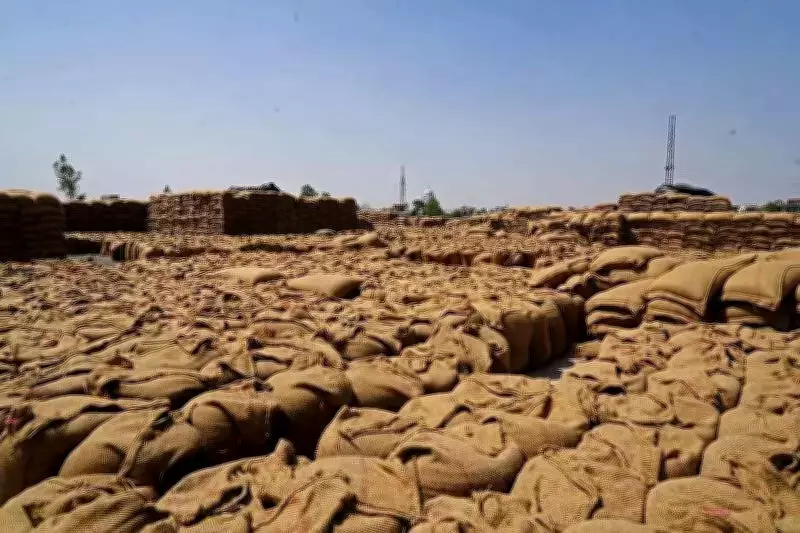
Rice millers report that approximately 140 LMT of rice is already fully stocked across various depots in the state, leaving virtually no additional storage room. This congestion was a focal point at a recent meeting of the group of ministers overseeing procurement, where the urgent need for accelerated FCI action was emphasized.
Procurgency and Quality Concerns
Wheat procurement in Punjab is scheduled to commence officially on April 1, with a target of 132 LMT. The harvest typically begins in late March to early April. "Procurement of the wheat crop is set to begin in about 30 days. Since a bumper wheat crop is expected, there is no clarity on where it will be stored. So far, no additional storage arrangements have been made by the Centre for ending rice stocks lying with the millers," stated a rice miller from Ferozepur.
The slow movement of grains poses significant risks. Under the state's custom milling policy, 100% rice delivery should be completed by March 31, but at current lifting rates, only around 50% will be achievable by that deadline. The remaining half faces an uncertain timeline, heightening concerns over grain quality.
"Continued slow movement during the onset of summer may deteriorate paddy quality, increasing the percentage of broken rice. With the arrival of the monsoon in June, the risk of damage and discolouration will further rise, leading to heavy financial losses for the millers. Last year, milling operations extended until September 15, resulting in significant economic losses to the industry," the miller added.
Calls for Immediate Action
In March alone, grain movement was restricted to nearly 4 LMT, a pace that would require about 12 months to clear the pending rice stocks. Rice millers are demanding that monthly rice movement from the state be increased to at least 20 LMT. This acceleration is crucial to create adequate storage space and ensure pending stocks are delivered to the central pool before the monsoon season.
While the Punjab state government has been actively engaging with the Union Ministry of Food and Public Distribution, the urgency of the situation demands swift intervention. The combination of overflowing rice stocks and an imminent wheat harvest underscores a pressing need for strategic planning and enhanced logistical efforts to prevent substantial economic losses and ensure food security.