

NCR Minimum Wage Disparity: Noida and Ghaziabad Workers Fall Behind
Data reveals a stark contrast in minimum wage increases across the National Capital Region (NCR) over the past decade. While unskilled workers in Delhi, Gurgaon, and Faridabad have seen their wages rise by nearly 90%, those in Noida and Ghaziabad have experienced a mere 42% increase. This disparity highlights significant regional inequalities in labor compensation.
Wage Hikes Fail to Offset Inflation in Uttar Pradesh Towns
In Noida and Ghaziabad, located in Uttar Pradesh, the nominal wage increase has not kept pace with inflation. From October 2016 to the present, the minimum wage for unskilled workers in shops and establishments rose from Rs 7,936 to Rs 11,314 per month, a 42.6% hike. However, consumer prices for industrial workers in these areas surged by 51.3% during the same period, based on the CPI-IW index. Consequently, the real minimum wage has effectively declined, eroding purchasing power for workers.
Haryana's Recent Wage Boost Narrows the Gap
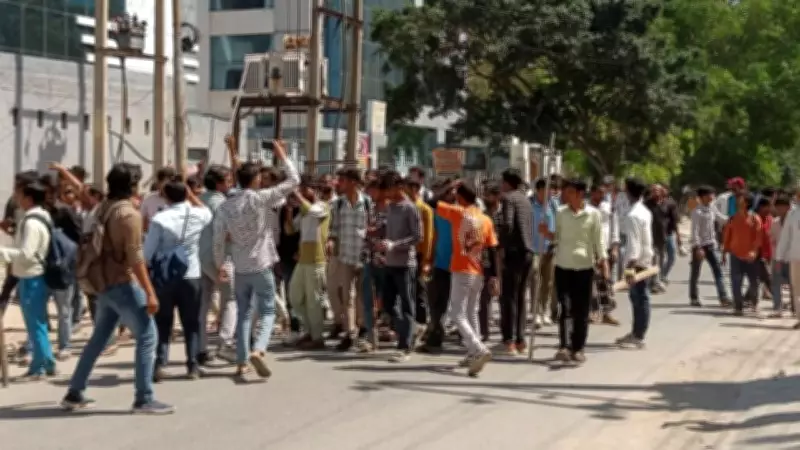
Haryana faced a similar issue until recent protests in industrial belts like Manesar prompted action. Before April 9, the state's minimum wage had increased by only 40% since July 2016, from Rs 8,070 to Rs 11,274 per month. This was insufficient to counter inflation rates of 52.7% in Gurgaon and 48.1% in Faridabad. Following the April 9 hike, the minimum wage now stands 88.6% higher than in 2016, bringing it closer to Delhi's levels and providing much-needed relief to workers.

Delhi Leads with Highest Minimum Wage and Lower Inflation
Delhi boasts the highest minimum wage in the NCR, currently at Rs 18,456 per month, marking a nearly 90% increase from Rs 9,724 in October 2016. Interestingly, the national capital also experienced relatively lower inflation at 43.7% for industrial workers during this period, allowing wage gains to outpace price rises and improve real incomes.
Implications for Workers and Regional Economy
The widening wage gap between Uttar Pradesh and other NCR regions poses challenges for economic equity and worker mobility. Key points include:
- Real Wage Decline: In Noida and Ghaziabad, inflation has outpaced wage hikes, reducing actual earnings.
- Regional Disparities: Delhi and Haryana's higher increases may attract labor, potentially straining local industries in Uttar Pradesh.
- Policy Impact: Recent protests in Haryana show how worker activism can drive wage adjustments, suggesting potential for similar movements elsewhere.
This analysis underscores the need for balanced wage policies across the NCR to ensure fair compensation and sustainable economic growth.






