

Union Budget 2026 Unveils Strategic Import Duty Cuts to Counter US Tariffs
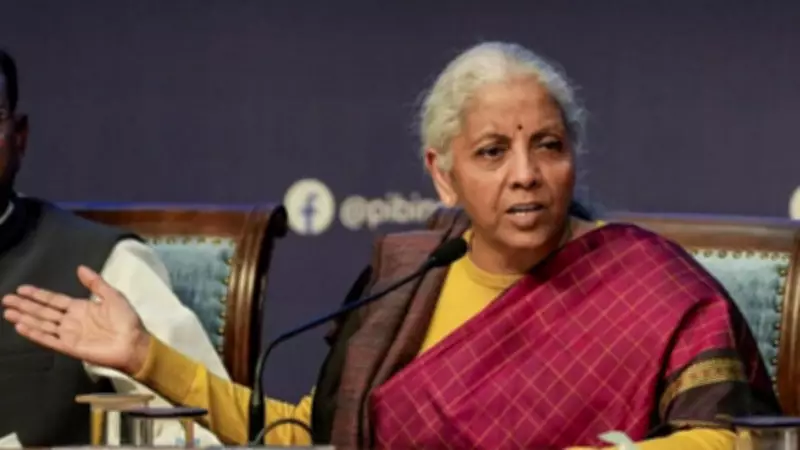
In a significant move to bolster India's economic resilience, the Union Budget 2026 has introduced a comprehensive reduction in import barriers and customs duties. This strategic initiative is primarily aimed at countering the impact of tariffs imposed by the United States under the administration of former President Donald Trump. The announcement, made by Finance Minister Nirmala Sitharaman, underscores the government's proactive approach to safeguarding domestic industries and maintaining competitive trade relations on the global stage.
Key Measures to Mitigate Trade Challenges
The budget outlines specific measures designed to lower import costs and enhance the competitiveness of Indian goods in international markets. By reducing customs duties on a range of products, the government seeks to alleviate the financial burden on exporters and manufacturers who have been adversely affected by the US tariffs. This policy shift is expected to stimulate economic growth by making Indian exports more attractive and affordable for foreign buyers, thereby offsetting the negative repercussions of protectionist trade policies abroad.
Targeted Relief for Vulnerable Sectors
In addition to the broad-based import duty reductions, the Finance Minister has announced targeted relief for several key sectors that are particularly vulnerable to international trade pressures. Textiles, leather, and seafood industries are among the primary beneficiaries of this budgetary provision. These sectors, which rely heavily on exports and face stiff competition from global markets, will receive enhanced support through reduced import barriers on raw materials and intermediate goods. This move is anticipated to lower production costs, improve profit margins, and foster sustainable growth within these critical segments of the Indian economy.

Economic Implications and Strategic Objectives
The decision to lower import barriers in the Union Budget 2026 reflects a nuanced understanding of the evolving global trade landscape. By proactively addressing the challenges posed by Trump's tariffs, India aims to:
- Strengthen its export-oriented industries by making them more cost-competitive.
- Reduce dependency on imported goods through strategic duty adjustments that encourage domestic sourcing.
- Enhance bilateral trade relations by demonstrating flexibility and responsiveness to external economic pressures.
This budgetary strategy is not merely a reactive measure but a forward-looking plan to position India as a resilient player in international trade. It aligns with broader economic goals of promoting self-reliance, boosting manufacturing, and ensuring long-term stability in the face of geopolitical uncertainties.
Conclusion: A Balanced Approach to Trade Policy
The Union Budget 2026's focus on lowering import barriers and customs duties marks a pivotal moment in India's economic policy. By providing relief to sectors like textiles, leather, and seafood, the government is taking concrete steps to mitigate the adverse effects of US tariffs while fostering a conducive environment for industrial growth. As the global economy navigates complex trade dynamics, this budget sets a precedent for adaptive and strategic fiscal management, ensuring that India remains competitive and resilient in the international arena.






