

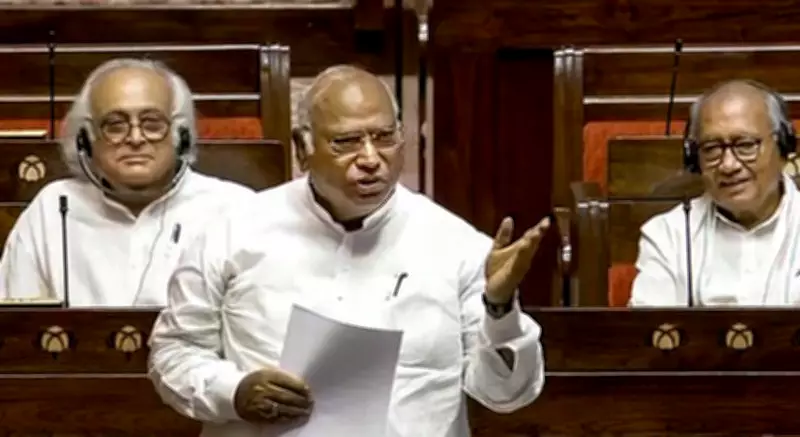
Government Evades Direct Reply on Non-Revision of Minimum Wages Since 2014-15
The Indian government has recently avoided providing a straightforward answer to questions concerning the non-revision of minimum wages since the 2014-15 period. This evasion has sparked significant debate and concern among labour rights advocates, economists, and the general public, who are questioning the impact on workers' livelihoods in a rapidly evolving economic landscape.
Background and Context of Minimum Wage Policies
Minimum wages in India are governed by the Minimum Wages Act of 1948, which aims to ensure fair compensation for workers across various sectors. Historically, revisions have been made periodically to account for inflation, cost of living increases, and economic growth. However, since 2014-15, there has been a notable lack of upward adjustments in many states and for certain categories of workers, leading to growing discontent.
This stagnation comes at a time when the Indian economy has undergone substantial transformations, including the implementation of major reforms like the Goods and Services Tax (GST) and demonetisation. These changes have altered the financial dynamics for both employers and employees, making the issue of wage revision even more critical.

Government's Evasive Response and Its Implications
In recent parliamentary sessions or official communications, when pressed on the matter, government representatives have reportedly sidestepped direct queries about the non-revision of minimum wages. Instead of providing clear timelines or reasons for the delay, responses have often been vague, citing ongoing reviews or broader economic considerations.
This evasiveness has raised several concerns:
- Impact on Worker Welfare: With rising inflation and living costs, stagnant minimum wages can erode the purchasing power of low-income workers, potentially pushing them into deeper financial hardship.
- Economic Inequality: The failure to revise wages may exacerbate income disparities, as other segments of the economy see growth and adjustments.
- Labour Unrest: Prolonged inaction could lead to increased protests and demands from labour unions, affecting industrial harmony and productivity.
Experts argue that a transparent and timely revision process is essential to maintain social stability and support inclusive economic development. The government's reluctance to address this directly has left many stakeholders in the dark, fueling speculation and criticism.
Comparative Analysis and Future Outlook
When compared to previous years, the period since 2014-15 stands out for its lack of widespread minimum wage revisions. In contrast, earlier decades often saw more regular updates, albeit with variations across states and industries. This shift has prompted calls for a more systematic and responsive approach to wage policy.
Looking ahead, there is a growing consensus among analysts that the government needs to clarify its stance and take concrete steps. Potential actions could include:
- Conducting comprehensive studies to assess the current adequacy of minimum wages in light of economic changes.
- Engaging in dialogue with labour representatives and employers to forge a consensus on revision mechanisms.
- Implementing phased adjustments to balance the interests of workers and businesses.
In conclusion, the government's evasion of a direct reply on the non-revision of minimum wages since 2014-15 highlights a critical gap in labour policy. As India continues to navigate economic challenges and opportunities, addressing this issue transparently will be vital for ensuring fair compensation and sustaining worker morale. The ongoing silence from authorities only deepens the uncertainty, making it imperative for clearer communication and action in the near future.






