Industry Leader Criticizes Budget 2026-27 for Overlooking Farm Import Substitution
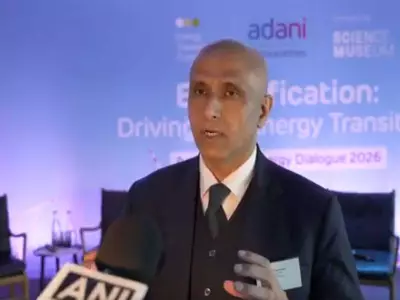
In a significant reaction to the Union Budget 2026-27, prominent industry figure Gunbir Singh, who serves as president of the Dilbir Foundation and previously chaired the Punjab chapter of the Confederation of Indian Industry (CII), expressed mixed feelings about the financial document presented by the central government. Speaking from Chandigarh on Sunday, Singh acknowledged certain positive aspects but highlighted crucial gaps that could impact India's agricultural and economic landscape.
Positive Measures Recognized but Key Agricultural Focus Missing
Gunbir Singh pointed out several commendable initiatives in the budget, including the tax holiday for data centers extending until 2047, a strong push for information technology infrastructure, and the development of 20 new waterways aimed at enhancing affordable cargo and passenger logistics across the country. These measures, he noted, demonstrate forward-thinking in digital and transportation sectors.
However, the industry veteran emphasized a glaring omission in the government's fiscal planning. "What seems conspicuously missing is a concerted effort toward farm-based import substitution," Singh stated clearly. He elaborated that encouraging diversification into pulses and oilseeds could have provided much-needed fiscal impetus to the agricultural economy.

Missed Opportunities in Agricultural Diversification
Singh explained that such diversification would have facilitated a necessary shift away from water-intensive crops toward more sustainable alternatives like pulses, oilseeds, and millets. This strategic move could have addressed multiple challenges simultaneously – reducing import dependence, promoting water conservation, and boosting farmer incomes through value-added crops.
"The farm economy and visionary, impact-based sensitivities appear to be beyond the government's radar, even though addressing these could significantly ease fiscal deficits," he observed. The former CII chairman suggested that targeted agricultural reforms could create a more self-reliant food ecosystem while contributing to national economic stability.
Employment Generation and Ease of Doing Business Concerns
Beyond agricultural concerns, Gunbir Singh expressed disappointment about what he perceived as insufficient measures for employment generation. "Missing major upsides for employment generation for the youngest nation globally is disheartening," he remarked, highlighting India's demographic dividend that requires strategic job creation initiatives.
Additionally, Singh noted that the budget failed to adequately address ease of doing business improvements, despite this being a frequent talking point at high-level forums including the recent Davos meetings. This oversight, he suggested, could hinder India's competitiveness in attracting both domestic and international investments.
Broader Budget Reactions and Context
The criticism from the industry leader comes alongside other significant reactions to Budget 2026-27. West Bengal Chief Minister Mamata Banerjee has described it as having "nothing for the common man" and labeled it a "Humpty Dumpty" budget, while citizens across India are examining detailed changes in income tax slabs and commodity pricing structures.
As stakeholders continue to analyze the budget's implications, Gunbir Singh's perspective highlights important considerations regarding agricultural self-sufficiency, employment strategies, and business environment enhancements that could shape India's economic trajectory in the coming fiscal year.