

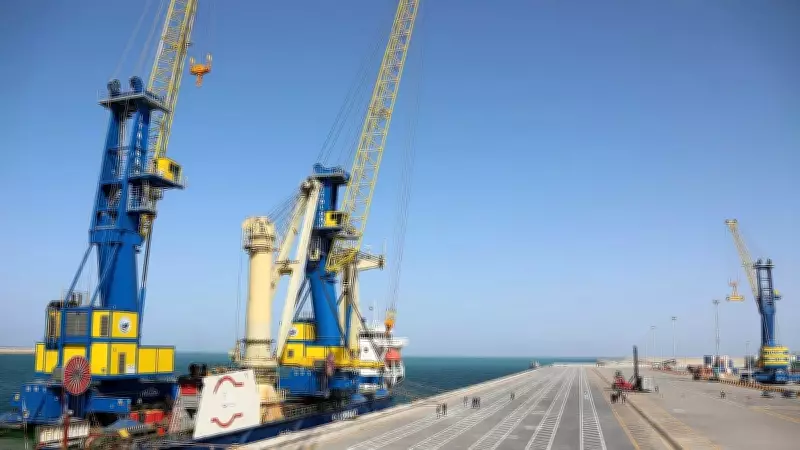
Union Budget 2026: India Reallocates Foreign Aid, Zeroes Out Chabahar Port Funding
In a significant shift in its foreign economic policy, India has announced major changes in its development assistance allocations through the Union Budget for the fiscal year 2026. The budget documents reveal a complete elimination of outlay for the strategically important Chabahar port in Iran, coupled with a substantial reduction in aid to neighboring Bangladesh.
Strategic Port Funding Removed, Bangladesh Aid Slashed
The Union Budget 2026 has made a decisive move by zeroing out the financial allocation for the Chabahar port project, which has been a key component of India's connectivity strategy in the region. This port, located in southeastern Iran, has been crucial for India's trade access to Afghanistan and Central Asia, bypassing Pakistan.
Simultaneously, the budget shows a significant reduction in development aid to Bangladesh, reflecting a recalibration of India's foreign assistance priorities. This comes amid evolving bilateral relations and changing geopolitical dynamics in South Asia.

Bhutan Receives Largest Share of Development Assistance
While cutting funding in some areas, India has substantially increased its development aid to several neighboring countries. The budget allocates:
- Rs 2,288 crore to Bhutan – making it the largest recipient of Indian development assistance
- Rs 800 crore to Nepal
- Rs 550 crore each to the Maldives and Mauritius
This redistribution indicates India's continued focus on strengthening ties with traditional allies and strategic partners in the region. The enhanced allocation to Bhutan underscores the special relationship between the two countries, while the support to Nepal, Maldives, and Mauritius reflects India's broader regional engagement strategy.
Budget Signals Shift in Foreign Economic Priorities
The Union Budget 2026, presented on February 1, 2026, reveals important insights into India's changing foreign policy and economic priorities. The elimination of Chabahar port funding suggests a reassessment of this strategic project, possibly influenced by:
- Changing regional dynamics
- Economic considerations
- Alternative connectivity options
- Geopolitical realignments
The reduction in Bangladesh aid, while maintaining substantial support to other neighbors, indicates a more targeted approach to development assistance, focusing on countries where India has particularly strong strategic interests or historical ties.
These budgetary decisions come at a time when India is navigating complex regional relationships and seeking to optimize its foreign economic engagements. The reallocation of resources reflects both pragmatic economic considerations and evolving strategic priorities in India's neighborhood policy.






