

Union Budget 2026 Delivers Incremental Gains Without Tackling Structural Barriers
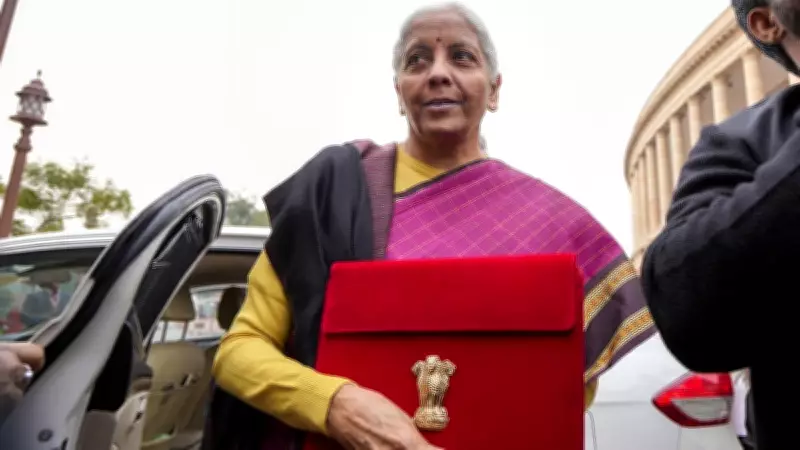
Finance Minister Nirmala Sitharaman has presented the Union Budget for the fiscal year 2026, a document that has sparked significant debate among economists and gender advocates. While the budget introduces several new allocations aimed at supporting women and marginalized communities, critics argue that it falls short of addressing the deep-rooted structural barriers that perpetuate inequality. The focus appears to be on providing immediate, time-saving solutions—often referred to as 'hardware'—rather than implementing transformative policies or 'software' that could fundamentally shift societal norms.
Hardware vs. Software: A Critical Distinction in Budget Priorities
In the context of gender equality, 'hardware' typically refers to tangible resources and infrastructure, such as funding for childcare facilities, sanitation projects, or skill development programs. These are essential components that can alleviate daily burdens and improve quality of life. However, 'software' encompasses the policies, education, and cultural shifts necessary to challenge and change entrenched gender norms. The Union Budget 2026 has prioritized the former, with allocations that may offer incremental gains but do not tackle the underlying issues that hinder progress.
For instance, the budget includes schemes aimed at enhancing women's participation in the workforce through financial incentives and support for entrepreneurship. While these measures are commendable, they do not address systemic barriers like unequal pay, limited access to leadership roles, or societal expectations that disproportionately affect women. Without complementary efforts to reform laws, promote gender-sensitive education, and foster inclusive workplaces, these allocations risk being superficial fixes.

Key Allocations and Their Implications
The budget outlines several key initiatives focused on gender and social welfare:
- Increased funding for women-led self-help groups to boost economic independence.
- Expansion of digital literacy programs targeting rural women to bridge the technology gap.
- Enhanced support for maternal and child health services to improve healthcare outcomes.
These allocations are designed to provide immediate relief and empowerment, yet they operate within existing frameworks that may not challenge the status quo. Experts suggest that without parallel investments in awareness campaigns, legal reforms, and community engagement, the budget's impact on shifting gender norms could be limited.
Expert Opinions and Public Response
Reactions to the Union Budget 2026 have been mixed. Supporters praise the government for continuing to prioritize gender issues and for the pragmatic approach of addressing immediate needs. They argue that incremental steps are necessary in a complex economy and that hardware investments lay the groundwork for future software changes.
On the other hand, critics, including many gender rights activists, express disappointment. They contend that the budget misses an opportunity to drive transformative change by not allocating sufficient resources to programs that challenge patriarchal structures or promote gender equality in education and media. The emphasis on schemes over systemic reform has led to concerns that progress may stall without deeper interventions.
As India moves forward, the debate highlights a crucial tension in policy-making: balancing short-term gains with long-term structural shifts. The Union Budget 2026, while offering valuable support, underscores the need for a more holistic approach that combines hardware with software to achieve meaningful and lasting gender equality.






