

Budget 2026-27: A Deep Dive into Pune's Varied Fiscal Reactions
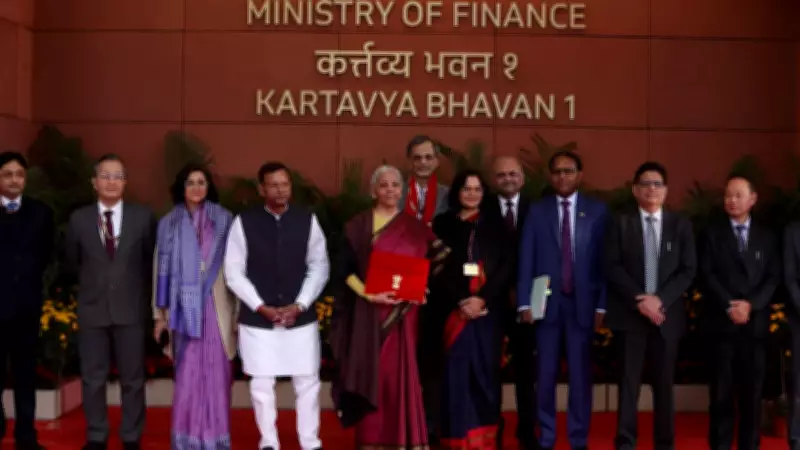
The Union Budget 2026-27, presented by Finance Minister Nirmala Sitharaman, has generated a spectrum of responses from Pune's diverse demographic, revealing underlying tensions within India's aspiring middle and upper classes. While the budget outlines a framework for economic growth, its practical implications have sparked both optimism and skepticism among local professionals, students, and entrepreneurs.
Professional Perspectives: Taxation and Investment Concerns
For many IT professionals, the budget appears to fall short of expectations. Kaustubh Paranjape, a 42-year-old IT expert, describes the fiscal plan as a half-measure, noting a lack of substantial changes. He emphasizes the need for rebates on home loans and trading instruments, arguing that high taxes could discourage investors and negatively impact mutual fund returns. However, Paranjape finds a silver lining in the semiconductor industry's growth potential, which promises enhanced employment and investment opportunities.
Similarly, Indrajeet Bhosale, a 21-year-old IT professional, expresses skepticism about the budget's impact on daily financial stress. He points to rising costs in Pune for rent, transport, food, and lifestyle, lamenting the absence of focused support for first-time home buyers or long-term savings incentives. Bhosale views the budget as more symbolic than practical for early-career individuals.

Investor and Entrepreneurial Insights: Sectoral Impacts and Challenges
From an investment standpoint, Dr. Sudhir Lokare, a 76-year-old retired surgeon and stock market investor, advocates for the complete elimination of capital gains taxation on equities, citing its discouraging effect on investment and profitability. He acknowledges positive aspects, such as concessions on imported pharmaceutical products, which could aid in treating serious diseases, highlighting the budget's varied sectoral impacts.
Entrepreneurs like Rahul Jadhav, 28, welcome digital infrastructure initiatives and expedited customs procedures but remain cautious about their real-world efficacy. Jadhav identifies deeper challenges for startups, including limited access to affordable credit, complex compliance frameworks, and persistent bureaucratic delays. While the removal of the Rs 10 lakh cap on courier exports is encouraging, he argues that high logistics costs, intricate tax structures, and a lack of mentorship support continue to hinder first-generation entrepreneurs, particularly those in tier-two cities.
MSME and Educational Focus: Implementation and Support Gaps
Rahi Mandlik, 51, a marketing head with experience working with MSMEs, raises concerns about the implementation of allocated funds for small and medium enterprises. She notes that while the budget increases funding, many MSMEs struggle to access financial support due to banks' hesitancy to provide loans without collateral. Mandlik hopes for government intervention to ensure funds reach intended beneficiaries effectively.
In the education sector, Sakshi Gadage, a student aspiring for doctoral studies abroad, identifies a gap in support mechanisms. She welcomes the budget's emphasis on hospitality and tourism but advocates for stronger educational initiatives, such as comprehensive scholarships, research fellowships, travel grants, and tuition assistance. Gadage emphasizes that financial constraints often impede academic aspirations and calls for enhanced domestic education to better prepare students for international environments.
Logistics and Connectivity: Praises and Practical Hurdles
Rishikesh Patil, a 22-year-old MBA student working in infrastructure, praises the budget's comprehensive focus on logistics and connectivity improvements. However, he highlights practical challenges, such as subsidy programs that delay billing processes, strain working capital, increase loan interest, and halt projects. Patil shares that his project's completion has been pushed from March to June due to delayed fund distribution, underscoring implementation issues.

Overall, the Budget 2026-27 has elicited a mix of hope and hesitation in Pune, reflecting broader fractures within India's economic classes. While some appreciate sectoral advancements and digital initiatives, others call for more targeted measures to address taxation, investment, MSME support, and educational funding, emphasizing the need for practical implementation over symbolic gestures.





