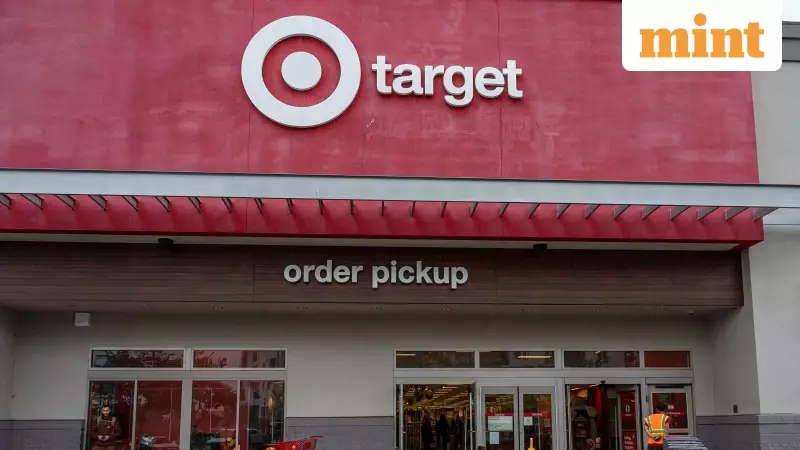
Target Revises 2025 Outlook Amid Challenging Retail Environment
American retail giant Target Corporation has sent shockwaves through the market by trimming its profit forecast for 2025, indicating that its turnaround strategy will require more time to yield results. The announcement triggered an immediate 2% drop in share prices during early trading in New York, adding to the stock's nearly 35% decline year-to-date.
Financial Performance and Market Reaction
The big-box retailer now expects adjusted earnings per share between $7 and $8 for 2025, reducing the upper limit of its previous projection. This revision comes despite the company reporting third-quarter results that exceeded analyst expectations. However, the crucial retail metric of comparable sales contracted more significantly than anticipated, highlighting ongoing challenges in consumer demand.
Chief Operating Officer Michael Fiddelke, who is scheduled to become CEO in February, expressed determination during a call with reporters. "We are relentless in our pursuit of returning to growth and not satisfied with our current results," Fiddelke stated. The executive, who began his Target career as a summer intern in 2003, acknowledged experiencing "choppiness" across business segments and difficulty pinpointing specific causes for the softness.

Strategic Investments and Restructuring Efforts
In a bold move to revitalize operations, Target plans to significantly increase capital expenditure to $5 billion next year – representing a substantial 25% increase. This investment will fund multiple initiatives including store remodels, new location openings, merchandise enhancements, and shopping experience improvements.
The comprehensive strategy focuses on ensuring friendly customer service and maintaining product availability. Target recently conducted its first major restructuring in ten years, eliminating approximately 1,800 positions to streamline operations and enhance agility.
Chief Commercial Officer Rick Gomez noted that consumers remain highly selective and value-conscious. "While there's still work to do, we are moving in the right direction," Gomez commented. The company has responded to economic pressures by reducing prices on thousands of essential items and expanding affordable seasonal offerings, including $1 ornaments and $10 throws.
Market Challenges and Competitive Landscape
Target continues to navigate a complex retail environment characterized by cooling job markets, persistent inflation, and the lingering effects of boycotts related to diversity initiatives. The company's trendy assortment, once celebrated with the "Tarjay" nickname, has lost some appeal as inflation-weary consumers reduce spending on discretionary items like clothing and home products.
Market share has eroded as competitors including Walmart gain ground through expanded assortments, competitive pricing, and faster shipping options. However, Target reported some positive developments, particularly in its "Fun101" initiative aimed at revitalizing merchandise categories.
Toy sales surged nearly 10%, while video games, sporting equipment, and music products recorded double-digit growth. Food sales also improved, driven by strong demand for beverages and wellness items, though apparel sales remained negative except for denim products.
Technology Integration and Operational Improvements
The retailer is leveraging artificial intelligence to enhance operations, following rival Walmart's lead by partnering with OpenAI to integrate ChatGPT into its platform. This technological advancement aims to improve trend identification and customer service capabilities.
In a positive operational development, Target announced that shrink – inventory loss from theft and damage – has returned to pre-pandemic levels. This improvement reflects industry-wide efforts including collaboration with law enforcement, enhanced inventory tracking, and security measures like product locking systems.

As the holiday season approaches, Gomez anticipates consumers will continue making trade-offs to manage budgets, potentially prioritizing "what goes under the tree versus what goes on the tree." The company's revised forecast and strategic investments signal a determined effort to reclaim growth following its pandemic-era boom, though the path forward requires navigating persistent economic headwinds and evolving consumer preferences.