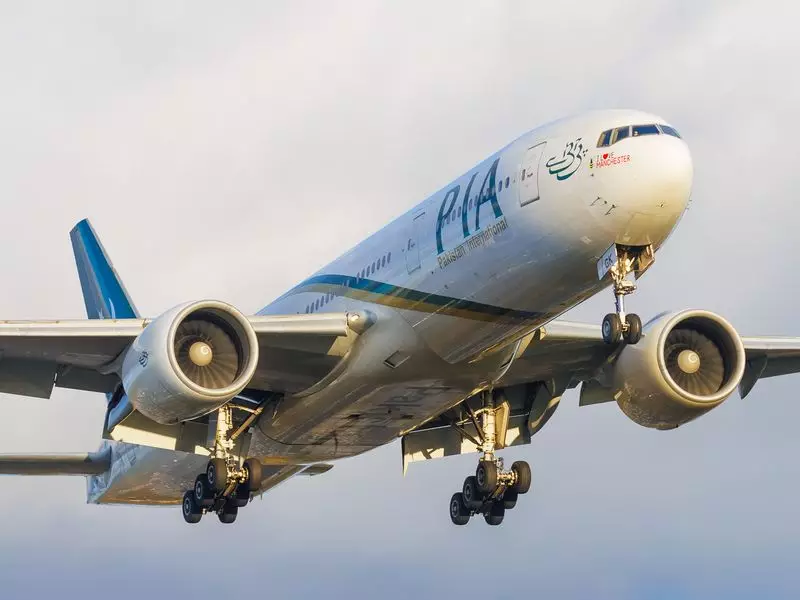
In a landmark move to divest from a chronically loss-making state asset, the Government of Pakistan has successfully concluded the sale of Pakistan International Airlines (PIA). The national carrier has been sold to a consortium for a substantial sum of Rs 135 billion, following a competitive bidding process. This transaction represents one of the most significant privatisation efforts undertaken by the country in recent years.
The Winning Consortium and Bidding Process
The successful bidder is a consortium comprising Arif Habib Corporation, Blue World City, and a group of airlines. This consortium emerged victorious after a transparent and competitive bidding round managed by the Privatisation Commission. The process saw active participation, ensuring that the government secured the best possible value for the airline. The final agreed-upon price of Rs 135 billion underscores the strategic value seen in PIA's assets and potential, despite its long history of financial troubles.
Financial Struggles and the Path to Sale
Pakistan International Airlines has been a significant drain on the national exchequer for decades, accumulating massive debts and operational losses. The airline's financial woes were compounded by international scandals, including the controversial pilot license issue in 2020, which led to severe restrictions from European and other international aviation regulators. These restrictions crippled PIA's most profitable routes, deepening its crisis. The decision to privatise was driven by an urgent need to stem these continuous losses and relieve the government from providing endless bailouts funded by taxpayer money.
The privatisation process itself was a key requirement under Pakistan's current $3 billion standby arrangement with the International Monetary Fund (IMF). As part of the broader economic reforms and austerity measures agreed with the IMF, the Pakistani government committed to restructuring and selling off state-owned enterprises (SOEs) that are no longer sustainable. The sale of PIA is a critical step in fulfilling those commitments and stabilising the country's economy.
Implications and Future Outlook
The sale marks a pivotal shift for Pakistan's aviation sector. For the new consortium owners, the challenge will be to revitalise the airline's brand, restore its international operational credentials, and implement a robust turnaround strategy. This will likely involve fleet modernisation, route optimisation, and regaining the trust of global aviation authorities and passengers alike.
For the Pakistani government and its citizens, the successful conclusion of this deal has several implications:
- Fiscal Relief: It removes a major liability from the government's balance sheet, freeing up resources for other public needs.
- IMF Compliance: It demonstrates progress on reform agendas, which is crucial for continued financial support from international lenders.
- Market Signal: It sends a positive signal to foreign and domestic investors about Pakistan's commitment to economic reforms and privatisation.
While the sale price of Rs 135 billion is substantial, the true test will be the consortium's ability to execute a successful turnaround. If managed effectively, a profitable and efficient PIA could once again become a symbol of national pride, but this time, under private management. The deal closes a chapter on state-run aviation in Pakistan and opens a new, uncertain, but hopeful one for the future of the country's flag carrier.