

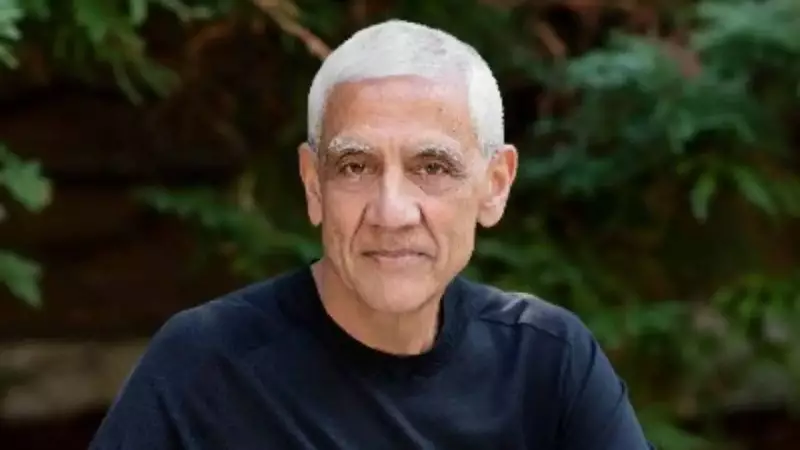
Indian-American Billionaire Vinod Khosla Launches Scathing Attack on Elon Musk Over Racial Remarks
Prominent Indian-born billionaire investor Vinod Khosla has unleashed a sharp critique against Tesla and SpaceX CEO Elon Musk, accusing the tech mogul of advancing what he terms "WAGA" or White America Great Again instead of the traditional MAGA (Make America Great Again) slogan. In a strongly worded post on the social media platform X, Khosla alleged that Musk's recent statements and online conduct reflect a disturbing mindset that treats racism as "great and desirable."
Khosla's Direct Challenge to Musk's Companies
In his social media outburst, Khosla specifically called upon non-white employees working at Musk-led enterprises including Tesla, SpaceX, and X to resign from their positions. He extended this invitation to what he described as "decent whites" as well, encouraging them to join companies supported by his venture capital firm, Khosla Ventures. "@elonmusk doesn't want MAGA, he wants WAGA," Khosla declared, asserting that Musk's perspective is fundamentally rooted in notions of racial superiority.
The venture capitalist's provocative post read: "@elonmusk doesn't want MAGA, he wants WAGA or 'white America great again' as a racism is great and desirable paradigm. All non-whites in @tesla, @SpaceX @X etc and all decent whites should quit and join our portfolio. Email us your linkedin!"

Context: Musk's Controversial Demographic Comments
Khosla's remarks emerged in response to Musk's recent social media posts expressing apprehension about the declining proportion of white people in the global population. Musk highlighted statistics indicating that whites now constitute approximately 8-9 percent of the world's population, a significant decrease from about 36 percent in 1900.
While some online commentators supported Khosla's criticism, others defended Musk, arguing that his comments were being misinterpreted and taken out of context. These defenders pointed to broader demographic challenges, particularly falling fertility rates across Europe and other developed regions, as the actual focus of Musk's concerns.
History of Race-Related Controversies Surrounding Musk
This incident represents merely the latest chapter in Musk's ongoing controversies regarding race-related commentary:
- Earlier this month, Musk faced backlash for endorsing a post warning of potential violence if white men became a minority, using the "100" emoji to indicate agreement.
- In 2023, Musk sparked widespread outrage by responding "You have said the actual truth" to an antisemitic post alleging that Jewish groups promote hatred against whites. This remark led to significant condemnation and advertiser withdrawals from X.
- Recently, Musk accused South Africa of racial discrimination, claiming that Starlink was denied an internet service license because he is not Black.
- In another post, he alleged that South Africa now has "more anti-White laws than there were anti-Black laws under Apartheid," while simultaneously stating his opposition to discrimination against all races.
Who Is Vinod Khosla?
Vinod Khosla, born in Pune, India in 1955, has established himself as a prominent Indian-American venture capitalist and entrepreneur. He gained recognition as a co-founder of Sun Microsystems and later founded Khosla Ventures, an investment firm specializing in high-risk, high-impact technologies across sectors including artificial intelligence, clean energy, and healthcare.
An alumnus of IIT Delhi, Khosla further pursued degrees from Carnegie Mellon University and Stanford University. Throughout his career, he has backed numerous influential companies such as OpenAI, DoorDash, and Impossible Foods. As of mid-2025, his net worth was estimated at approximately $10 billion, solidifying his position among the world's most successful investors.

The public clash between these two billionaire tech figures highlights deepening divisions within the technology industry regarding racial discourse and corporate responsibility. As the controversy continues to unfold, it raises important questions about leadership values and workplace culture in some of the world's most influential companies.





