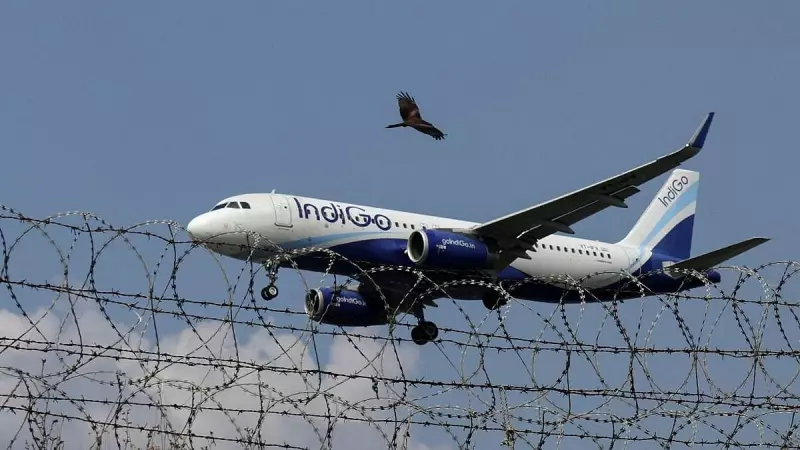
IndiGo Shares Witness Sharp Decline Following Weak Q3 Financial Results
Shares of InterGlobe Aviation, the parent company of India's largest airline IndiGo, experienced a notable downturn in trading on the Bombay Stock Exchange (BSE). The stock price fell by nearly 4 percent, reflecting investor unease after the company disclosed its financial performance for the third quarter of the fiscal year.
Q3 Profit Plunges to Rs 549 Crore
IndiGo reported a substantial decline in its net profit for the October-December quarter, which plummeted to Rs 549 crore. This figure represents a significant drop compared to previous periods, highlighting the financial pressures faced by the airline. The sharp fall in profitability has raised concerns among analysts and stakeholders about the company's operational efficiency and cost management strategies in a competitive aviation market.
The decline in profit is attributed to a combination of factors, including increased operational costs, fluctuating fuel prices, and intense competition in the domestic aviation sector. IndiGo, known for its low-cost model, has been grappling with these challenges while striving to maintain its market leadership. The quarterly results underscore the volatility in the airline industry, where external economic conditions can heavily impact financial outcomes.

Market Reaction and Investor Sentiment
Following the announcement of the Q3 results, IndiGo's shares opened lower and continued to slide throughout the trading session, ultimately closing with a loss of nearly 4 percent. This market reaction indicates that investors are reassessing the airline's growth prospects and financial health in light of the disappointing profit figures. The stock's performance is closely watched as a barometer for the broader aviation sector in India, which has been recovering from the pandemic-induced slowdown.
Financial experts suggest that the decline in share price reflects broader concerns about IndiGo's ability to sustain profitability amid rising expenses and competitive pressures. The airline has been expanding its fleet and routes, but these growth initiatives come with substantial capital outlays that can strain short-term earnings. As a result, market participants are closely monitoring the company's future guidance and strategic plans to navigate these headwinds.
Broader Implications for the Aviation Industry
IndiGo's financial results and the subsequent share price decline have implications for the entire Indian aviation industry. As the market leader, IndiGo's performance often sets the tone for sectoral trends, influencing investor sentiment towards other airlines as well. The current scenario highlights the ongoing challenges in the aviation sector, including regulatory hurdles, infrastructure constraints, and economic uncertainties that can affect operational margins.
Looking ahead, IndiGo is expected to focus on cost optimization and operational efficiencies to improve its financial metrics. The company's management may also explore strategic initiatives, such as enhancing ancillary revenues or optimizing route networks, to bolster profitability. For investors, the key will be to watch how IndiGo addresses these issues in the coming quarters, as its ability to adapt to market dynamics will be crucial for long-term value creation.
In summary, the nearly 4 percent decline in IndiGo's shares following the Q3 profit plunge to Rs 549 crore underscores the financial pressures in the aviation sector. While the airline remains a dominant player, its recent performance serves as a reminder of the volatile nature of the industry and the importance of robust financial management in sustaining growth.