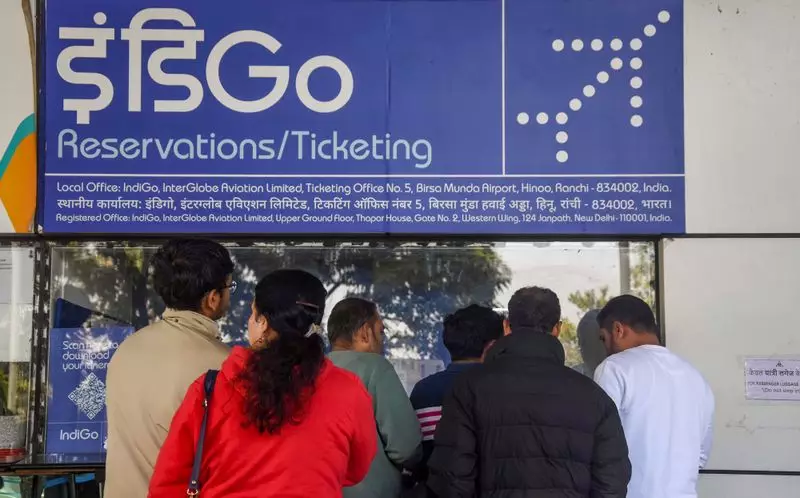
India's largest airline, IndiGo, was forced to cancel a significant number of its scheduled services on Monday due to severe weather conditions impacting several key airports across the country. The adverse weather created operational challenges, leading to widespread disruption for travelers.
Scale of Disruption and Affected Airports
The carrier officially announced the cancellation of 57 flights on April 15. This decision was not isolated to a single location but was a response to a band of bad weather affecting multiple aviation hubs. Primary among the affected airports were the major metros of Delhi and Bengaluru, where conditions like dense fog, thunderstorms, or heavy rain can severely limit visibility and ground operations.
An IndiGo spokesperson clarified the situation, stating the cancellations were a proactive measure taken considering the safety of passengers and crew. The airline emphasized that such decisions are never taken lightly and are based on comprehensive weather advisories and real-time operational assessments.

Passenger Advisory and Compensation
In line with regulatory guidelines, IndiGo has initiated its customer communication protocol. Passengers booked on the canceled flights are being offered a full refund or the option to rebook their travel on an alternative IndiGo service at no extra cost. The airline is also providing refreshment vouchers and hotel accommodations where necessary, as mandated by the Directorate General of Civil Aviation (DGCA) rules for cancellations within the airline's control.
The airline strongly urged all passengers scheduled to fly on Monday and Tuesday to check the status of their flight via the IndiGo website or mobile app before leaving for the airport. This step is crucial to avoid unnecessary travel and congestion at terminal buildings.
Broader Impact on Indian Aviation
This incident highlights the ongoing vulnerability of Indian air travel to seasonal weather patterns. The early summer period often brings unpredictable weather, including nor'westers and thunderstorms, particularly in North and East India, which can ripple through the national network. Flight cancellations and delays during such events are a standard operational response to ensure safety, but they inevitably cause passenger inconvenience and logistical headaches.
Industry observers note that while airlines have improved their communication and mitigation strategies, infrastructure constraints at major airports can amplify the domino effect of such disruptions. A halt in operations at a hub like Delhi or Bengaluru can impact flight schedules across the entire country for several hours.
As the summer progresses, passengers are advised to factor in potential weather-related delays, especially for early morning or late evening flights, which are most susceptible to fog and storm-related issues. Travel insurance and flexible booking options are also recommended during this season.