

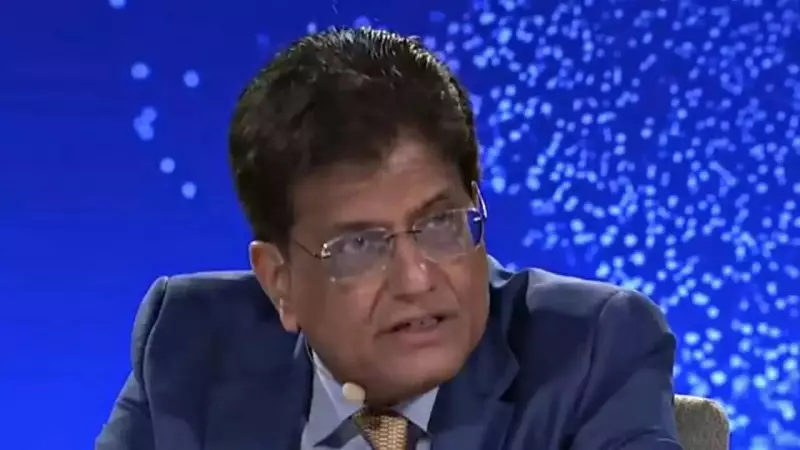
In a powerful rebuttal to Western criticism, Indian Commerce and Industry Minister Piyush Goyal has exposed what he calls "glaring double standards" in the global approach to Russian oil imports. The minister's strong comments came during a recent address where he questioned why India faces scrutiny while European nations openly sought exemptions from US sanctions.
The Hypocrisy Exposed
Minister Goyal didn't mince words when he pointed out the uncomfortable truth: "Why single out India?" he demanded, highlighting how countries like Germany and the United Kingdom had actively negotiated for exemptions from American sanctions to continue their energy imports. His statement reveals the selective morality in international energy politics that often targets developing nations while giving developed countries a free pass.
India's Pragmatic Energy Strategy
India, as the world's third-largest oil importer, has consistently maintained that its Russian oil purchases are driven by economic necessity and energy security concerns. The country has transparently defended its position, arguing that as a developing economy with massive energy needs, it cannot afford to pay premium prices when discounted oil is available.

The numbers speak for themselves: India's strategic pivot to Russian oil has saved the country billions of dollars, helping control inflation and supporting economic growth during challenging global times. This pragmatic approach has allowed India to maintain economic stability while Western nations grapple with energy-induced inflation.
Western Nations' Contradictory Stance
The minister specifically called out the contradictory positions of several European nations. While publicly condemning Russia's actions, these countries continued importing Russian energy through various channels and even sought official exemptions to protect their economies. This exposes the gap between political rhetoric and economic reality in international relations.
Broader Implications for Global South
India's stance represents a larger shift in global dynamics, where developing nations are increasingly asserting their right to make independent economic decisions. The country has made it clear that it won't be lectured on energy security by nations that have historically been the largest consumers of fossil fuels and have their own complicated energy relationships.
The minister's strong words signal India's growing confidence in navigating complex international waters while prioritizing its national interests. As the global energy landscape continues to evolve, India's position could inspire other developing nations to take similar pragmatic approaches to their energy needs.






