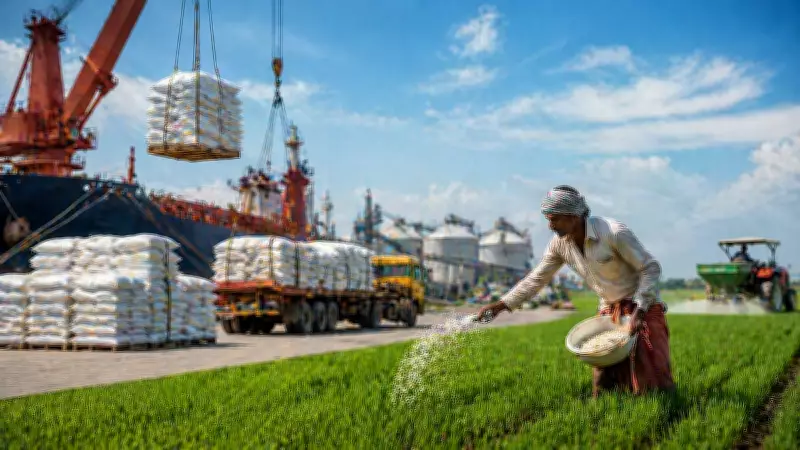
India has ramped up fertiliser imports to ensure adequate supply for the upcoming kharif season, despite rising global costs and a mounting subsidy burden. The government has assured that there will be no shortage of fertilisers, as it continues to procure and distribute essential nutrients to farmers.
Government Measures to Avert Shortage
The Ministry of Chemicals and Fertilizers has confirmed that sufficient quantities of urea, di-ammonium phosphate (DAP), muriate of potash (MOP), and complex fertilisers have been arranged. Imports have been increased, particularly for DAP and MOP, which are largely dependent on foreign supplies. The government has also taken steps to ensure timely availability through streamlined logistics and monitoring of domestic production.
Impact of Global Price Hikes
Global fertiliser prices have surged due to supply chain disruptions, higher energy costs, and export restrictions by key producers. This has increased the cost of imports for India, which relies heavily on foreign sources for potash and phosphatic fertilisers. The government has absorbed part of the cost through subsidies, but the fiscal burden has grown significantly.

Despite these challenges, the government maintains that the kharif sowing will not be affected. The Department of Agriculture has reported that the area under kharif crops, including paddy, pulses, and oilseeds, is expected to be normal or higher than last year, supported by adequate fertiliser availability.
Subsidy and Fiscal Implications
The fertiliser subsidy bill for the current fiscal year is projected to exceed the budgeted amount due to higher international prices. The government has allocated additional funds to cover the gap, but this may put pressure on other expenditure. Officials, however, argue that ensuring food security and farmer welfare remains a priority.
In response to the price rise, the government has also promoted the use of alternative fertilisers and soil health management practices to reduce dependence on chemical inputs. The long-term strategy includes boosting domestic production of fertilisers through new plants and encouraging the use of nano-urea and organic options.
Industry experts note that while the immediate supply situation is stable, sustained high prices could affect farmers' profitability and input usage patterns. The government's proactive approach in securing imports and managing subsidies is seen as critical to maintaining agricultural output and rural incomes.