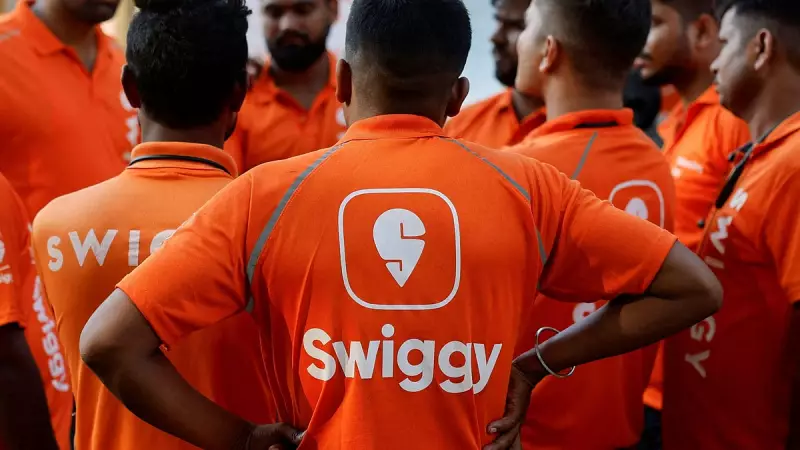
In a significant move highlighting the human cost of hazardous air, gig economy workers in India's capital have put forth a set of demands to major e-commerce and delivery platforms. Their primary request is for a 'pollution surcharge' to be paid as additional compensation for every trip or order completed during days when air quality deteriorates to dangerous levels.
Core Demands for Health and Compensation
The demands, reported on 21 December 2025, stem from the severe health risks faced by delivery personnel who spend hours outdoors in cities like Delhi, which frequently experiences crippling smog. Beyond the financial surcharge, the workers are also calling for companies to provide them with high-quality protective equipment. This includes N95 or equivalent masks to shield them from the toxic particulate matter that defines the winter air in the region.
This push for a pollution-specific allowance underscores the growing awareness and assertion of rights among platform workers. They argue that risking their health to sustain the convenience of doorstep delivery, especially during environmental crises, warrants extra financial recognition and support from the multi-billion dollar companies they serve.
The Context of Hazardous Air and Worker Safety
The timing of these demands is critical, coinciding with the peak pollution season in North India. The Air Quality Index (AQI) in Delhi often plunges into the 'severe' and 'hazardous' categories during these months, posing serious long-term health threats. While advisories recommend staying indoors, gig workers have no such option, making them among the most vulnerable groups to air pollution-related illnesses.
Currently, compensation structures for most delivery partners do not account for environmental hazards. The proposed surcharge model would directly link additional pay to officially declared high-AQI days, creating a more responsive and fair system for those on the front lines.
Implications for the Platform Economy
This development places a fresh spotlight on the social responsibilities of the rapidly growing platform economy in India. It challenges the traditional operational models of e-commerce and food delivery giants, pushing them to factor in occupational health hazards beyond standard accident insurance.
The outcome of this demand could set a crucial precedent. If successful, it may inspire similar movements in other polluted urban centers across the country and influence broader policy discussions on gig worker welfare. It forces a necessary conversation about who ultimately bears the health cost of uninterrupted service in extreme conditions and whether the platforms profiting from this labor have a duty to mitigate it.
As of now, the response from the e-commerce companies to these specific demands remains awaited. The call from gig workers, however, marks a pivotal moment in the ongoing struggle for better working conditions and dignified treatment in the digital age.