Delhi Agitators Demand Wage Hike and Improved Working Conditions
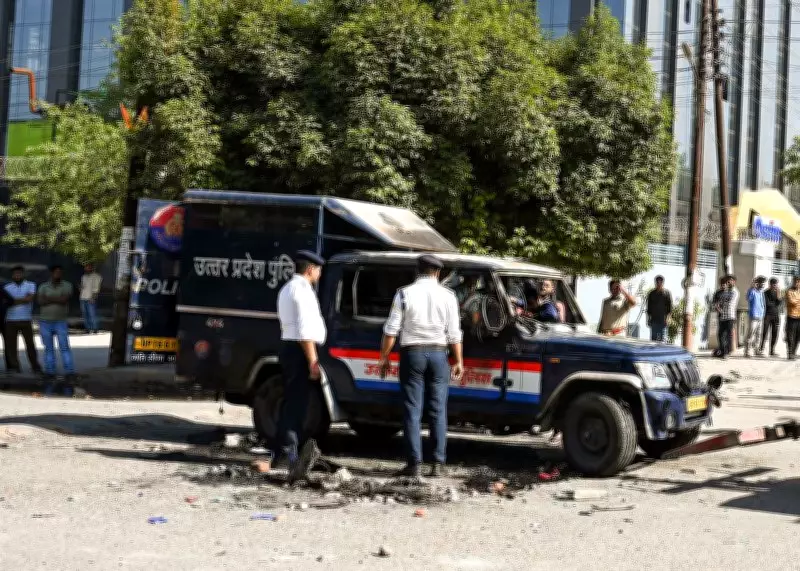
In a significant development in the capital city, agitators have taken to the streets to voice their demands for a substantial increase in wages and better working conditions. This protest underscores the persistent labor issues faced by workers in Delhi, who are seeking fair compensation and safer environments to perform their duties.
Key Demands of the Protesters
The protesters, comprising various labor groups, have outlined several key demands. Primarily, they are calling for a hike in wages to keep pace with the rising cost of living in Delhi. Additionally, they are advocating for improved working conditions, which include better safety measures, reasonable working hours, and access to essential amenities at workplaces.
Economic Pressures and Labor Rights

The demand for higher wages comes amid increasing economic pressures, with inflation affecting the purchasing power of workers. Many laborers in Delhi struggle to make ends meet, as their current earnings are insufficient to cover basic necessities such as housing, food, and healthcare. This protest highlights the urgent need for policy interventions to address income disparities and ensure a decent standard of living for all workers.
Working Conditions Under Scrutiny
Beyond wages, the agitators are emphasizing the need for better working conditions. Reports suggest that many workers in Delhi face hazardous environments, lack proper safety equipment, and are subjected to long hours without adequate breaks. These conditions not only jeopardize their health and well-being but also violate labor rights as outlined in national regulations.
Impact on Daily Life and Productivity
Poor working conditions can lead to decreased productivity and increased absenteeism due to health issues. By demanding improvements, the protesters aim to create a more sustainable and humane work environment that fosters efficiency and job satisfaction. This move is seen as a step towards aligning with global labor standards and promoting worker welfare in urban centers like Delhi.
Government and Employer Responses
As the protest gains momentum, attention is turning towards the responses from government authorities and employers. While some officials have acknowledged the grievances, concrete actions are yet to be taken. Employers are urged to engage in dialogue with labor representatives to negotiate fair wages and implement safety protocols that comply with legal requirements.
Potential Outcomes and Future Steps
The outcome of this agitation could set a precedent for labor movements across India. If successful, it may lead to widespread reforms in wage structures and working conditions, benefiting millions of workers. However, failure to address these demands could result in prolonged unrest and further economic disruptions in Delhi.
In conclusion, the protest by Delhi agitators for a wage hike and better working conditions is a critical issue that highlights the ongoing challenges in the labor sector. It calls for immediate attention from stakeholders to ensure fair treatment and improved livelihoods for workers in the capital.