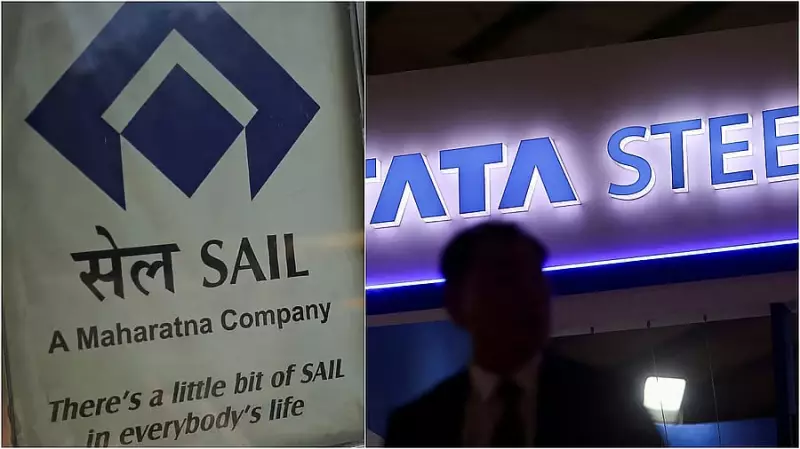
Antitrust Investigation Exposes Alleged Steel Cartel Operation in India
In a significant development for India's industrial sector, the Competition Commission of India (CCI) has uncovered evidence suggesting major steel manufacturers engaged in coordinated anti-competitive practices. According to the antitrust watchdog's preliminary findings, industry giants Tata Steel and JSW Steel, along with state-owned enterprises Steel Authority of India Limited (SAIL) and Rashtriya Ispat Nigam Limited (RINL), allegedly colluded during the period from 2018 to 2023.
Digital Evidence Points to Coordinated Market Manipulation
The investigation report, which has sent shockwaves through corporate circles, indicates that the alleged cartelization was facilitated through modern communication channels. WhatsApp chats between company officials reportedly played a crucial role in coordinating market activities, while production data was allegedly shared to manipulate supply and influence pricing in the steel market.
This revelation comes at a time when India's steel industry has been undergoing significant transformation and expansion. The alleged collusion period coincides with years of substantial infrastructure development and industrial growth across the country, raising questions about market fairness during this critical phase of economic expansion.

Implications for India's Competitive Landscape
The CCI probe findings could have far-reaching consequences for several key areas:
- Market Competition: If proven, the alleged cartelization represents a serious violation of competitive principles that could have artificially inflated steel prices for consumers and businesses.
- Corporate Governance: The involvement of both private sector leaders and public sector undertakings raises questions about compliance systems across different ownership models.
- Digital Evidence: The use of WhatsApp chats in antitrust investigations marks a significant evolution in how regulatory bodies gather evidence in the digital age.
- Industry Reputation: As pillars of India's manufacturing sector, these companies' alleged actions could impact investor confidence and industry credibility.
The investigation reportedly examined patterns in production, pricing, and market allocation that suggested coordinated behavior rather than independent competitive decisions. The alleged sharing of sensitive production data between competitors would represent a clear violation of antitrust principles designed to protect market competition.
Regulatory Scrutiny Intensifies
This development comes amid increasing regulatory scrutiny of corporate practices in India, particularly in sectors critical to the country's infrastructure and economic development. The steel industry, being a foundational component of construction, manufacturing, and transportation sectors, holds particular significance in India's growth narrative.
The CCI's findings, if substantiated through further investigation and legal proceedings, could lead to substantial penalties for the involved companies. More importantly, they could prompt systemic changes in how steel manufacturers interact and compete in the Indian market.
As the investigation progresses, industry observers will be watching closely to see how this case unfolds and what precedents it might set for antitrust enforcement in India's rapidly evolving industrial landscape.