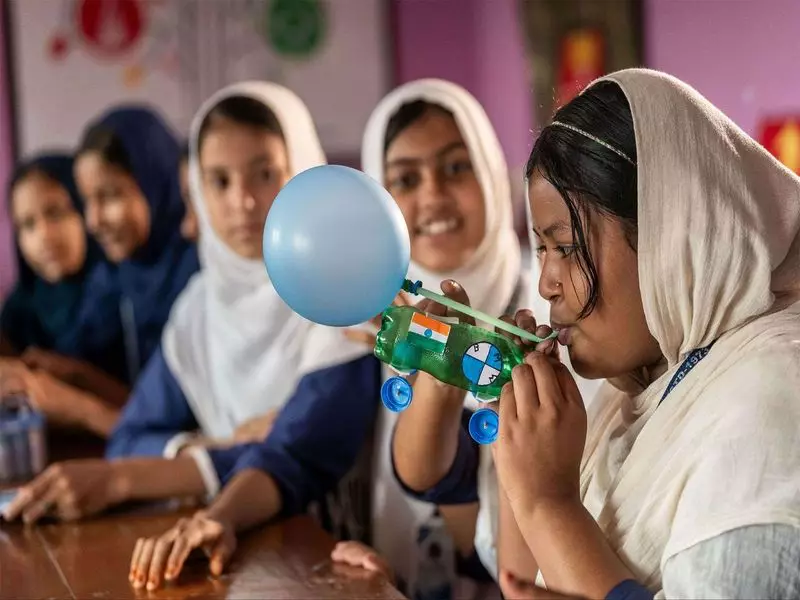
BMW Group and UNICEF STEM Initiative Delivers Transformative Impact Across India
The collaborative effort between the BMW Group and UNICEF has emerged as a powerful catalyst for educational advancement in India, focusing on the critical domain of STEM (Science, Technology, Engineering, and Mathematics). This partnership, designed to bridge educational gaps and foster innovation, has achieved substantial progress since its inception, reaching numerous students and educators nationwide.
Empowering Future Generations Through STEM Education
At the heart of this initiative lies a commitment to equipping young minds with the skills necessary for the 21st century. By integrating STEM principles into the curriculum, the program aims to inspire curiosity and critical thinking among students. The initiative has successfully implemented hands-on learning modules, interactive workshops, and digital resources that make complex scientific concepts accessible and engaging.
Key achievements include the training of thousands of teachers, who are now better equipped to deliver high-quality STEM education. This professional development component ensures a sustainable impact, as educators pass on their enhanced knowledge to successive cohorts of students. Additionally, the program has established or upgraded STEM labs in numerous schools, providing state-of-the-art facilities that encourage experimentation and innovation.

Reaching Underserved Communities and Promoting Inclusivity
A significant aspect of the BMW Group and UNICEF initiative is its focus on inclusivity and reaching marginalized communities. The program has been strategically deployed in regions with limited access to quality education, ensuring that children from diverse backgrounds benefit from STEM learning opportunities. This approach not only addresses educational disparities but also promotes gender equality by encouraging girls to pursue interests in science and technology.
The initiative's impact is evident in the improved academic performance and increased enthusiasm for STEM subjects among participating students. By fostering a supportive learning environment, the partnership has helped build confidence and aspirations, with many students expressing interest in STEM-related careers. This aligns with broader national goals of developing a skilled workforce to drive India's economic and technological growth.
Sustainable Development and Long-Term Vision
The BMW Group and UNICEF collaboration is structured around the principles of sustainable development, aiming for long-term educational transformation rather than short-term gains. The program incorporates monitoring and evaluation mechanisms to assess its effectiveness and adapt strategies as needed. This data-driven approach ensures that resources are utilized efficiently and that the initiative continues to evolve in response to emerging educational challenges.
Looking ahead, the partnership plans to expand its reach, targeting more schools and communities across India. By leveraging technology and innovative teaching methods, the initiative seeks to create a ripple effect, inspiring other organizations to invest in STEM education. This collective effort is crucial for building a resilient and forward-thinking society capable of tackling global issues through scientific and technological advancements.
In summary, the BMW Group and UNICEF STEM initiative stands as a testament to the power of corporate-social partnerships in driving educational progress. Through its comprehensive approach, it has not only enhanced learning outcomes but also sown the seeds for a brighter, more equitable future in India.