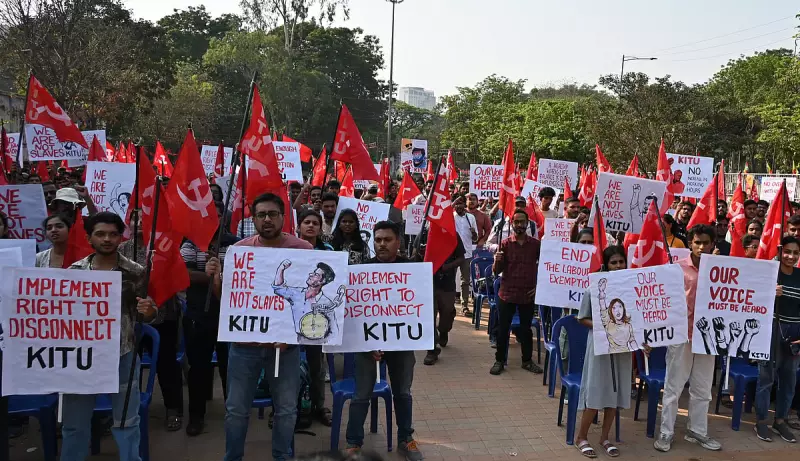
Human resources professionals in India's technology hub, Bengaluru, are throwing their weight behind a crucial workplace reform: the formal recognition of an employee's 'Right to Disconnect'. This movement seeks to legally protect workers from the constant barrage of emails, messages, and calls from employers outside of designated working hours.
The Growing Push for Digital Detachment
The call for this policy is a direct response to the blurred lines between professional and personal life, a phenomenon drastically accelerated by the widespread adoption of remote and hybrid work models. HR experts argue that the always-on culture is a primary driver of chronic stress, burnout, and declining mental health among the workforce. By establishing clear boundaries, companies can foster a healthier, more sustainable, and ultimately more productive work environment.
This initiative is not happening in a vacuum. It aligns with global trends, notably following the precedent set by France in 2017, which became the first country to legislate the right for employees to ignore work communications after hours. The Bengaluru proposition suggests that India, and particularly its demanding tech sector, is ripe for a similar structural shift.

Defining the Boundaries of Work
So, what would a 'Right to Disconnect' policy entail in practice? The core idea is to legally mandate that employees are not obligated to engage with work-related digital communication once their official shift has ended, during weekends, and while on paid time off. This includes emails, instant messages on platforms like Slack or Teams, and work-related phone calls.
Proponents emphasize that this is not about shirking responsibility but about creating necessary psychological detachment. Continuous connectivity prevents genuine rest, impedes recovery, and can lead to resentment and decreased engagement during actual work hours. Implementing such a policy would require companies to redefine performance metrics, focusing on output and productivity during core hours rather than responsiveness at all times.
Benefits for Companies and Employees Alike
The advocacy from HR circles highlights a win-win scenario. For employees, the benefits are clear: reduced anxiety, improved mental well-being, better work-life integration, and more time for personal pursuits and family. This can lead to higher job satisfaction and lower attrition rates.
For employers, the advantages are equally compelling. Companies can expect:
- Lower burnout and attrition: Happier, well-rested employees are more likely to stay.
- Enhanced productivity: Focused work during designated hours can be more effective than fragmented attention spread across evenings.
- Stronger employer branding: Positioning as a progressive, employee-centric organization helps attract top talent.
- Mitigated legal risks: Clear policies can prevent potential disputes related to overtime and workplace stress.
The conversation in Bengaluru signals a maturation in India's corporate culture, moving from valuing sheer availability to respecting sustainable productivity and human capital well-being. As the debate gains momentum, it places the onus on organizations to proactively design policies that protect their most valuable asset—their people—from the perils of digital overload.