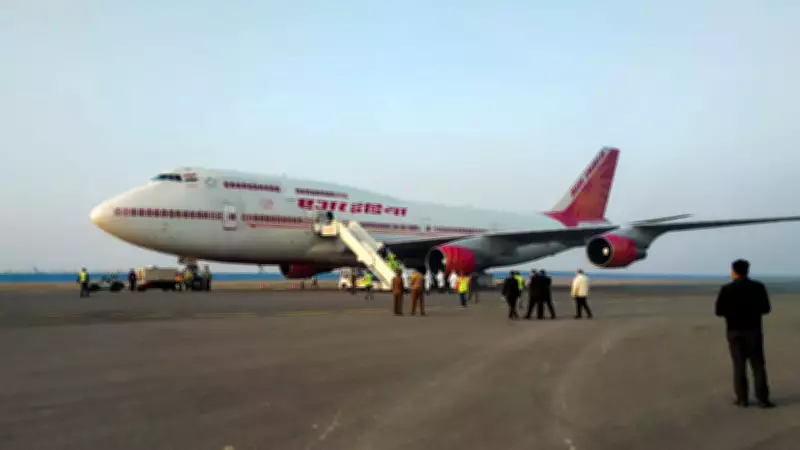
Air India Initiates Comprehensive Inspection of Boeing 787 Fuel Control Switches
Air India has launched a fleet-wide inspection of fuel control switches across its Boeing 787 Dreamliner aircraft following a reported malfunction. This proactive safety measure comes after a defect was identified on one of the airline's flights, prompting immediate action from the Tata Group-owned carrier.
Immediate Response to Reported Malfunction
The inspection initiative was triggered by a defect reported on February 2, 2026, involving a fuel control switch on an Air India Boeing 787-8 aircraft operating the London Heathrow to Bengaluru route. According to sources, the airline promptly grounded the affected aircraft for thorough checks and escalated the matter to Boeing for priority evaluation.
In an email dated February 3, 2026, Air India's Senior Vice President for Flight Operations, Manish Uppal, informed Boeing 787 pilots about the precautionary fleet-wide re-inspection. Uppal emphasized that while awaiting Boeing's formal response, Air India engineers were conducting these inspections "out of an abundance of caution" to verify normal operations of the Fuel Control Switch (FCS) latch.

Safety Protocols and Communication
Air India has implemented several safety measures in response to the situation:
- Grounding of the affected aircraft immediately after the defect was reported
- Notification of the Directorate General of Civil Aviation (DGCA) about the concerns
- Direct communication with Boeing for technical evaluation and guidance
- Instructions to flight crews to promptly report any observed defects during operations
- Verification that all required safety actions are completed before aircraft acceptance
The airline spokesperson confirmed that no adverse findings have been reported on aircraft that have already undergone the re-inspection process.
Historical Context and Fleet Details
This inspection marks the second time Air India has examined fuel control switches on its Boeing 787 fleet within a year. The previous inspection followed the June 2025 fatal crash of a Boeing 787-8 aircraft in Ahmedabad that claimed 260 lives. The preliminary investigation from that tragedy indicated that fuel supply was cut off shortly after takeoff, bringing increased scrutiny to fuel control systems.
Air India currently operates approximately 33 Boeing 787 Dreamliners in its fleet, consisting of:
- 26 legacy Boeing 787-8 aircraft
- 7 Boeing 787-9 aircraft, including 6 acquired from Vistara
- One custom-made plane inducted into the fleet in January 2026
Industry Significance and Safety Implications
The fuel control switch inspection holds particular importance for several reasons:
- Safety Prioritization: Air India's proactive approach demonstrates the airline's commitment to passenger safety above operational considerations
- Regulatory Compliance: The immediate notification to DGCA reflects proper adherence to aviation safety protocols
- Manufacturer Collaboration: The escalation to Boeing for priority evaluation shows effective industry partnership in addressing technical concerns
- Preventive Maintenance: The fleet-wide inspection represents a preventive approach to potential safety issues before they escalate
This development comes at a time when aviation safety protocols are under increased scrutiny globally, particularly following recent incidents involving commercial aircraft. Air India's response illustrates how airlines are implementing more rigorous inspection regimes and faster response mechanisms to potential safety concerns.
The comprehensive inspection of fuel control switches across Air India's Boeing 787 fleet represents a significant safety initiative that underscores the airline's commitment to maintaining the highest standards of aircraft maintenance and passenger security. As the inspections continue, the aviation industry will be watching closely for any findings that might have broader implications for Boeing 787 operations worldwide.