In a significant move to bolster the struggling telecom operator, Vodafone Idea has been thrown a crucial financial lifeline. The company's board has approved a restructuring plan that effectively caps its annual payout to the government for the use of spectrum and other dues to a maximum of Rs 124 crore for the next six years. This decision, made on May 28, 2024, is a key part of a broader effort to improve the company's cash flow and ensure its long-term viability in the highly competitive Indian telecom market.
The Mechanics of the Financial Restructuring
The core of this relief measure involves converting the interest that accrued on Vodafone Idea's deferred government dues into equity. Following this conversion, the government now holds a substantial 33.1% stake in the telecom company, making it the single largest shareholder. The annual payout cap of Rs 124 crore is specifically linked to these converted dues. This amount represents the net present value (NPV) of the interest that was converted, and Vodafone Idea is obligated to pay this sum annually from the financial year 2025-26 (FY26) through to 2030-31 (FY31).
This arrangement provides Vodafone Idea with much-needed breathing room. By limiting this specific annual outflow, the company can better manage its finances and allocate more resources towards crucial network upgrades and expansion. The decision was ratified by the company's board based on the recommendations of a special committee of directors that was formed to oversee this complex financial restructuring process.

A Broader Context of Government Support
This payout cap is not an isolated event but part of a larger package of relief measures extended by the Indian government to the telecom sector. These measures, announced in September 2021, were designed to provide operational flexibility to cash-strapped operators like Vodafone Idea. The reforms included a moratorium on spectrum and adjusted gross revenue (AGR) dues, along with the option for the government to convert the interest on these deferred payments into equity.
Vodafone Idea opted for this equity conversion, which was completed in February 2023. The current capping of the annual payout finalizes the terms of that conversion, providing clarity and predictability for the company's future financial planning. This structured support is seen as essential for maintaining a competitive three-player market in India, preventing a duopoly that could reduce consumer choice and potentially increase prices.
Implications for Vodafone Idea and the Telecom Sector
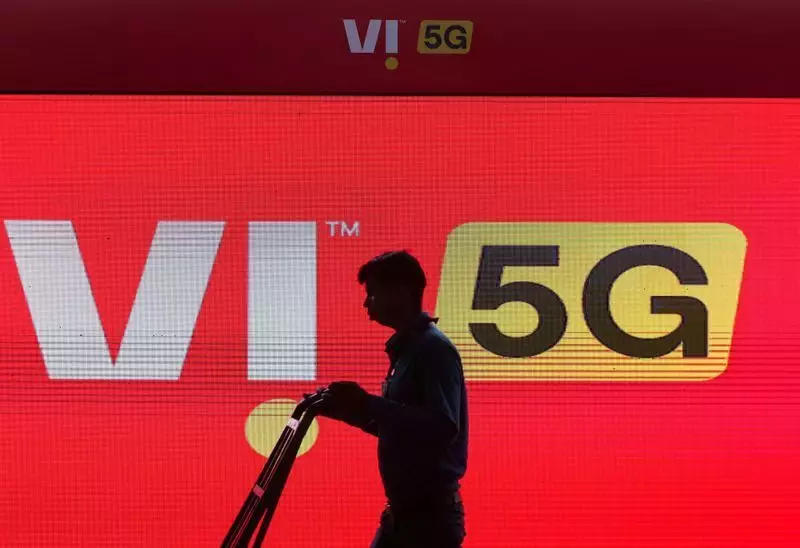
The immediate impact of this decision is a significant reduction in Vodafone Idea's near-term financial burden. With a known and limited liability for these specific dues, the company's management can focus on executing its turnaround strategy. This includes plans for a Rs 45,000 crore fundraising exercise, which is critical for ramping up its 4G coverage and launching much-awaited 5G services to compete effectively with rivals Reliance Jio and Bharti Airtel.
For the Indian telecom sector, Vodafone Idea's survival and revival are crucial for maintaining healthy competition. A stable three-player market fosters innovation, better service quality, and fair pricing for millions of consumers. The government's role as a major stakeholder also aligns its interests with the company's success, creating a unique public-private partnership aimed at safeguarding a key piece of national digital infrastructure.
In conclusion, the capping of Vodafone Idea's annual payout at Rs 124 crore marks a pivotal step in the company's arduous recovery journey. It underscores a concerted effort by both the company's board and the government to provide a structured pathway for Vodafone Idea to stabilize its operations, attract fresh investment, and ultimately reclaim its position as a strong contender in India's dynamic telecom landscape.